The pumpkin puree was already open in the fridge from the batch of pumpkin chocolate chip muffins I’d made two days before. A stick of butter sat on the counter softening because I’d forgotten to put it away. And my neighbor was coming over in a few hours for coffee—something I’d completely spaced on until she texted asking if we were still on. So there I was, staring into the fridge like it owed me an answer, with a half-empty can of pumpkin and butter that was practically begging to be browned.
This cake wasn’t planned, you know? It came together in that frantic, slightly chaotic energy of “I need something impressive but I don’t have time to overthink it.” I wanted something that felt like fall in every bite but didn’t require pulling out the mixer for 20 minutes or waiting for cream cheese to soften. A bundt cake felt right—it’s elegant without trying hard, the kind of dessert that looks like you spent hours on it when really you just poured batter into a pretty pan and let the oven do the work. And the brown butter icing? That was a happy accident, born from the butter I’d left out and a sudden craving for something nutty and sweet.
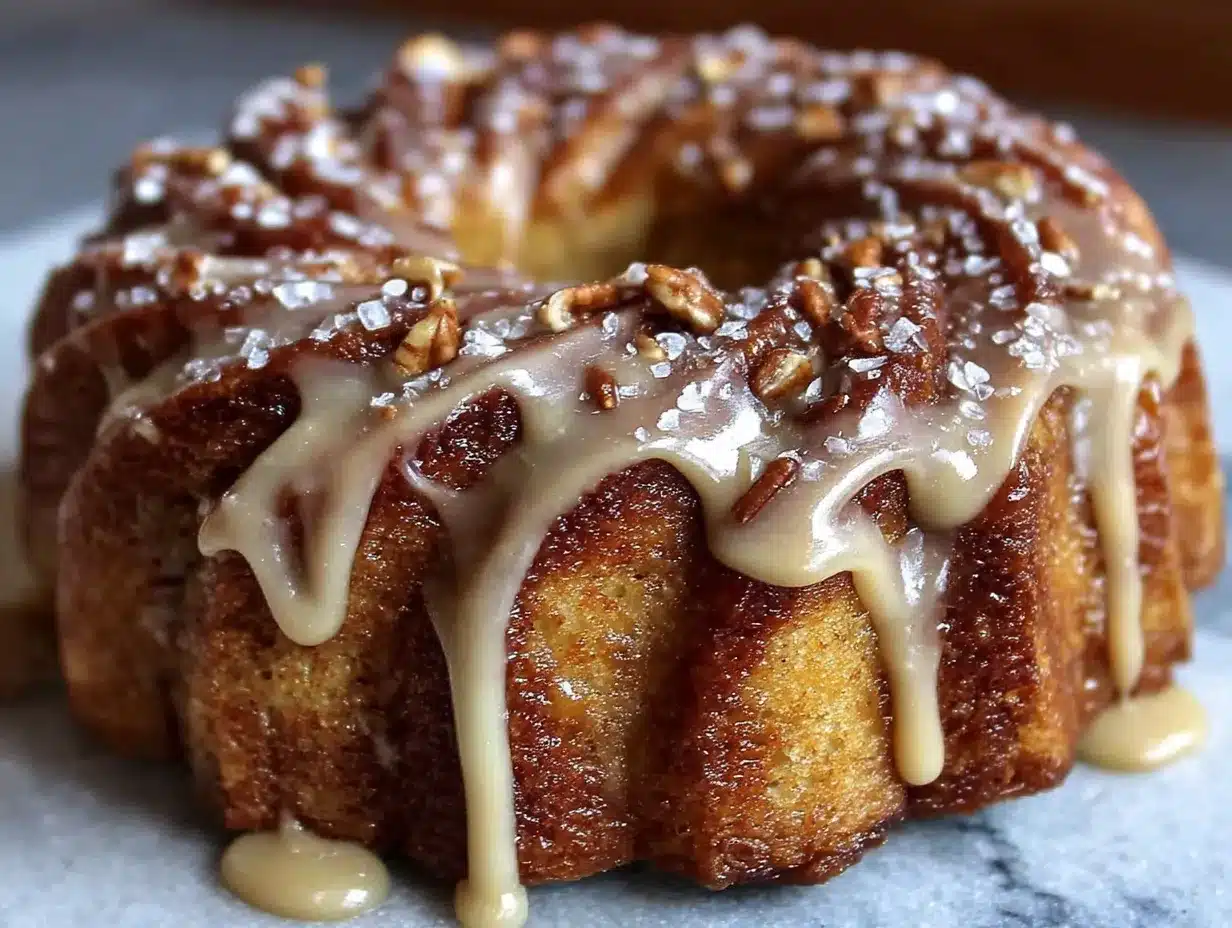
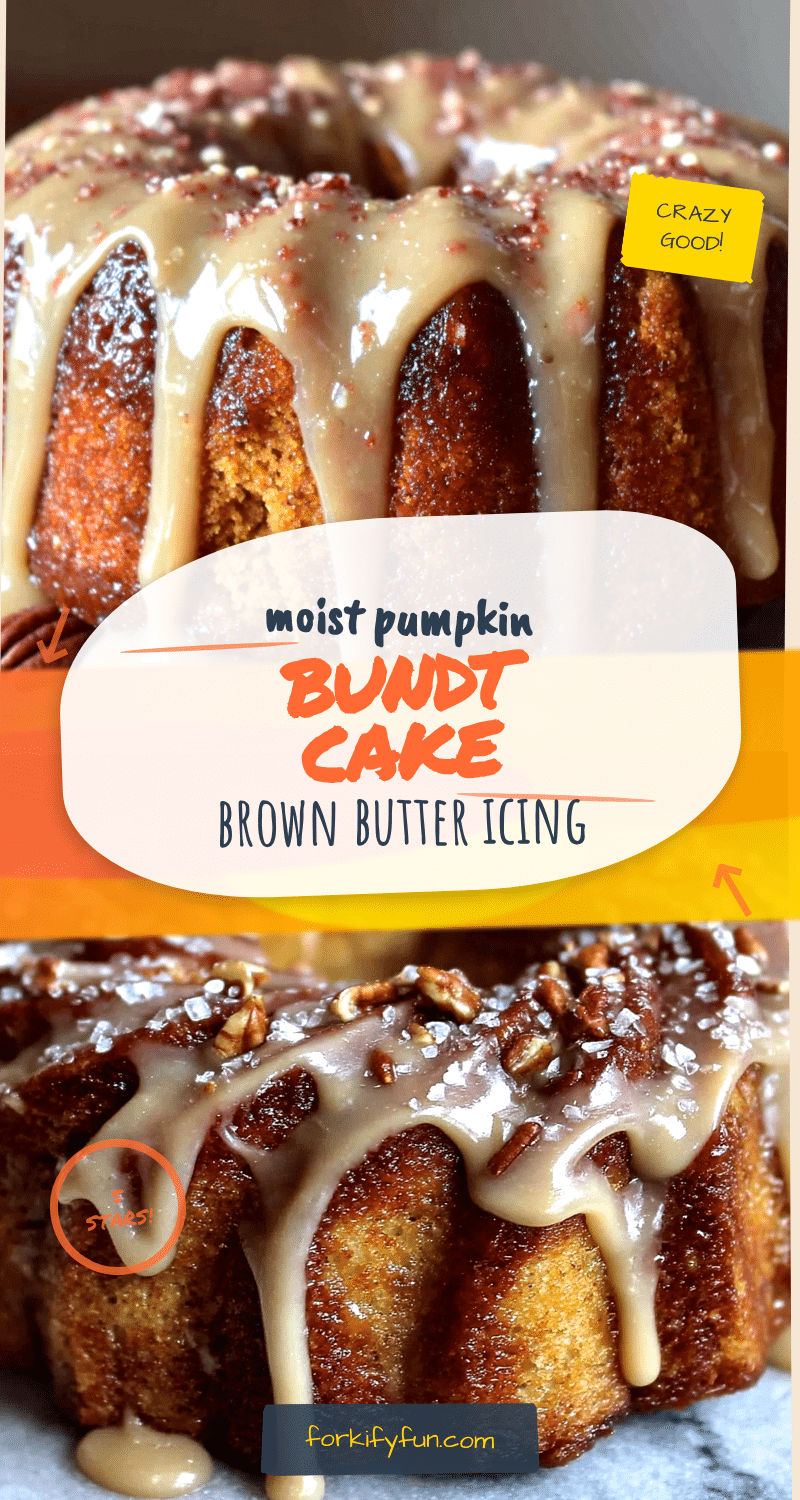
The first bite caught me off guard. It was so tender it almost crumbled on the fork, with that warm, spiced pumpkin flavor that tastes like October in cake form. The brown butter icing pooled into every crevice of the bundt, creating these little pockets of caramel-like sweetness. Honestly, it was one of those moments where you just stand at the counter eating a slice with your hands because getting a plate feels like too many steps. This recipe stuck because it saved me from a last-minute panic, but it earned its spot in my fall rotation because it’s genuinely the best pumpkin cake I’ve ever made. And I’ve made a lot of pumpkin cakes.
Why You’ll Love This Recipe
Let me tell you why this moist pumpkin bundt cake deserves a permanent place in your baking lineup. I’ve tested this recipe six times—yes, six—to get the texture exactly right. Not dry, not dense, not that weird gummy thing some pumpkin cakes do. Just perfectly moist with a tender crumb that holds up beautifully.
- Incredibly Moist Texture: The combination of pumpkin puree, oil, and buttermilk creates a cake that stays soft for days. No dry crumb here, I promise.
- Simple Ingredients: You probably have most of these in your pantry right now. No fancy extracts or hard-to-find spices.
- One-Bowl Batter: Mix everything in one bowl. Less dishes, more time enjoying that first slice.
- Brown Butter Icing: This is the star, honestly. It takes about 5 minutes to make and tastes like liquid caramel with a nutty depth that pairs perfectly with pumpkin.
- Perfect for Fall Gatherings: Bring this to a Friendsgiving, a potluck, or just your kitchen on a rainy Sunday afternoon. It disappears fast.
- Make-Ahead Friendly: This cake actually tastes better the next day. The flavors meld together and the texture gets even more tender.
What makes this different from other pumpkin cakes? It’s the balance. So many pumpkin desserts are either too sweet or too spiced. This one hits that sweet spot where the pumpkin flavor shines without being overwhelmed by cinnamon. And the brown butter icing isn’t just a drizzle—it’s a generous pour that soaks into the cake just enough to make every bite special. This isn’t just another pumpkin cake recipe. It’s the one you’ll come back to every single fall.
What Ingredients You Will Need
This recipe uses simple, wholesome ingredients that work together to create that perfect moist texture and deep fall flavor. Most of these are pantry staples, which makes this cake dangerously easy to throw together on a whim.
For the Pumpkin Bundt Cake
- All-purpose flour, 2 ¾ cups (330g) – Spoon and level for accuracy. Too much flour makes the cake dense.
- Granulated sugar, 1 ½ cups (300g) – Adds sweetness and helps with that tender crumb.
- Light brown sugar, ½ cup (100g), packed – Adds moisture and a hint of molasses flavor that pairs beautifully with pumpkin.
- Baking soda, 1 ½ teaspoons – Helps the cake rise and creates a soft texture.
- Baking powder, 1 teaspoon – Gives extra lift.
- Salt, ½ teaspoon – Balances the sweetness and enhances the spices.
- Ground cinnamon, 2 teaspoons – The backbone of the spice blend.
- Ground ginger, ½ teaspoon – Adds warmth without overpowering.
- Ground nutmeg, ¼ teaspoon – Freshly grated if you have it, but pre-ground works fine.
- Ground cloves, ¼ teaspoon – Just a pinch for depth.
- Pumpkin puree, 1 ½ cups (340g) – Not pumpkin pie filling! Make sure it’s 100% pure pumpkin. I prefer Libby’s for consistent texture.
- Vegetable oil, ½ cup (120ml) – Keeps the cake moist. Canola or avocado oil work too.
- Buttermilk, ½ cup (120ml), room temperature – Adds tenderness and helps activate the baking soda. No buttermilk? Add 1 tablespoon of lemon juice to regular milk and let it sit for 5 minutes.
- Large eggs, 3, room temperature – Room temperature eggs mix more evenly into the batter.
- Vanilla extract, 2 teaspoons – Pure vanilla, not imitation, for the best flavor.
For the Brown Butter Icing
- Unsalted butter, ½ cup (1 stick, 113g) – You’ll brown this, so keep an eye on it. It goes from golden to burnt fast.
- Powdered sugar, 2 cups (240g), sifted – Sifting prevents lumps in the icing.
- Milk, 2-3 tablespoons – Whole milk gives a creamier texture, but any milk works.
- Vanilla extract, 1 teaspoon – Adds warmth to the nutty browned butter.
- Pinch of salt – Balances the sweetness.
Equipment Needed
You don’t need a fancy kitchen to make this cake, but having the right tools makes the process smoother. Here’s what you’ll need:
- 10-cup bundt pan – This is non-negotiable. A smaller pan will cause the batter to overflow. I use a Nordic Ware classic bundt pan and it releases beautifully every time.
- Large mixing bowl – For combining the dry and wet ingredients.
- Whisk – For mixing the dry ingredients and smoothing out the batter.
- Rubber spatula – For scraping down the sides and folding in any stubborn flour pockets.
- Measuring cups and spoons – Accurate measurements matter in baking.
- Kitchen scale – Optional but highly recommended for consistent results. I use mine for the flour and sugar.
- Small saucepan – For browning the butter. A light-colored pan helps you see the color change.
- Cooling rack – Essential for even cooling. Placing the hot pan directly on the counter can trap steam and make the cake soggy.
- Cooking spray with flour – The best way to ensure your bundt cake releases cleanly. I like Baker’s Joy or Pam with Flour.
If you don’t have a bundt pan, you could use two 9-inch loaf pans, but adjust the baking time to about 40-45 minutes. Just keep an eye on it.
Preparation Method
Take your time with this. Baking is forgiving, but following the steps in order makes everything come together smoothly.
- Preheat the oven to 350°F (175°C). Position the rack in the center of the oven. Generously spray your bundt pan with flour-based cooking spray, making sure to get into all the crevices. Set aside.
- Mix the dry ingredients. In a large bowl, whisk together the flour, granulated sugar, brown sugar, baking soda, baking powder, salt, cinnamon, ginger, nutmeg, and cloves. Make sure there are no lumps in the brown sugar—break them up with your fingers if needed.
- Add the wet ingredients. Make a well in the center of the dry ingredients. Add the pumpkin puree, vegetable oil, buttermilk, eggs, and vanilla extract. Whisk everything together until just combined. Don’t overmix—a few small lumps are okay. Overmixing develops gluten and makes the cake tough. The batter will be thick and slightly glossy.
- Pour the batter into the prepared pan. Use the spatula to spread it evenly. Tap the pan gently on the counter a few times to release any air bubbles.
- Bake for 50-60 minutes. Start checking at 50 minutes by inserting a wooden skewer or toothpick into the center. If it comes out clean or with a few moist crumbs, it’s done. The cake should also pull away slightly from the edges of the pan. If the top is browning too quickly, tent loosely with foil after 40 minutes.
- Cool the cake in the pan for 15 minutes. This is crucial. If you try to flip it too soon, it will stick. Too long, and it might steam and become soggy. Set a timer.
- Invert the cake onto a cooling rack. Place the rack over the pan, flip it confidently, and lift the pan slowly. If any pieces stick, don’t panic—just patch them back together. Let the cake cool completely, about 1-2 hours. The icing goes on a completely cool cake, otherwise it will melt and slide right off.
- Make the brown butter icing. While the cake cools, melt the butter in a small saucepan over medium heat. Stir constantly with a rubber spatula or whisk. The butter will foam, then bubble, then start to turn golden. Watch closely—when you see brown specks forming at the bottom and it smells nutty and toasty, remove it from the heat immediately. This takes about 5-7 minutes. Pour the browned butter into a heatproof bowl and let it cool for 5 minutes.
- Finish the icing. Add the sifted powdered sugar, 2 tablespoons of milk, vanilla, and salt to the browned butter. Whisk until smooth. If it’s too thick, add the remaining tablespoon of milk. If it’s too thin, add a little more powdered sugar. The consistency should be thick but pourable—like a slow ribbon that falls off the whisk.
- Ice the cake. Place the cooled cake on a serving plate or wire rack over a baking sheet. Pour the icing over the top, letting it cascade down the sides. Use a spoon to encourage it into any bare spots. Let the icing set for about 15-20 minutes before slicing.
Cooking Tips & Techniques
I’ve made enough mistakes with bundt cakes to fill a small notebook. Here’s what I’ve learned so you don’t have to repeat them.
Don’t skip the buttermilk. I tried this recipe once with regular milk because I thought I could get away with it. The cake was noticeably less tender. Buttermilk reacts with the baking soda to create a lighter crumb and adds a subtle tang that balances the sweetness. If you don’t have buttermilk, the lemon juice trick works perfectly—just don’t use plain milk straight up.
Room temperature ingredients matter. Cold eggs and cold buttermilk can seize the batter and create an uneven texture. I set my eggs and buttermilk on the counter about 30 minutes before I start mixing. If I forget, I place the eggs in a bowl of warm water for 5 minutes and microwave the buttermilk for 10 seconds.
Bundt pan prep is everything. I cannot stress this enough. Use a cooking spray that contains flour. Regular nonstick spray doesn’t cut it. I learned this the hard way when half my cake stayed glued to the pan. Also, don’t use butter and flour—it leaves a gummy residue on the cake’s surface.
Let the cake cool exactly 15 minutes. This was the hardest lesson for me. I’m impatient, and I’ve flipped cakes too early only to watch them fall apart. Fifteen minutes is the sweet spot. The cake firms up enough to hold its shape but is still warm enough to release easily.
Brown butter patience. Browning butter is a meditation. Don’t walk away. Don’t answer your phone. The butter goes from perfect to burnt in about 30 seconds. Swirl the pan constantly and look for those little brown specks. The smell is your best cue—it should smell nutty and almost like toasted hazelnuts.
Ice the cake when it’s completely cool. I know you want to rush, but warm cake + icing = a melty mess. The icing will slide right off and pool at the bottom. Patience pays off here.
Variations & Adaptations
This recipe is flexible, and I love playing around with it depending on the season or what’s in my pantry.
Gluten-Free Version: Substitute the all-purpose flour with a 1:1 gluten-free baking flour blend that contains xanthan gum. I’ve used King Arthur Measure for Measure with great results. The texture is slightly more delicate, so handle the cake gently when flipping.
Dairy-Free Adaptation: Replace the buttermilk with ½ cup of unsweetened almond or oat milk mixed with 1 tablespoon of lemon juice. Use a vegan butter stick for the brown butter icing—I like Miyoko’s. The flavor is slightly different but still delicious.
Spice It Up: Add ¼ teaspoon of cardamom or allspice for a more complex spice profile. I once added a pinch of black pepper to the batter on a whim, and it gave the cake this subtle warmth that was unexpectedly amazing.
Add Mix-Ins: Fold in 1 cup of chopped pecans or walnuts after mixing the batter. Or add ½ cup of mini chocolate chips for a pumpkin-chocolate combo that always gets rave reviews. For a more indulgent version, swirl in 4 ounces of softened cream cheese before baking—it creates little pockets of tangy richness.
Different Icing Options: If brown butter feels like too much effort, a simple cream cheese glaze is incredible. Mix 4 ounces of softened cream cheese with 1 cup of powdered sugar, 2 tablespoons of milk, and ½ teaspoon of vanilla. Or skip the icing entirely and dust the cake with powdered sugar for a simpler presentation.
Pumpkin Spice Latte Twist: Replace ¼ cup of the buttermilk with ¼ cup of strong brewed coffee. The coffee doesn’t make it taste like coffee—it just deepens the pumpkin and spice flavors. This is my personal favorite variation, especially on chilly mornings.
Serving & Storage Suggestions
This cake is incredibly versatile when it comes to serving. It’s equally at home on a dessert table, a brunch spread, or just your counter with a cup of coffee.
Serving Temperature: Serve at room temperature for the best texture. If you’ve refrigerated it, let slices sit out for about 20 minutes before serving. The cake firms up when cold, and the icing becomes more brittle. Room temperature brings back that tender, moist crumb.
Presentation Ideas: Place the cake on a simple cake stand or a wooden board. Sprinkle a little flaky sea salt over the icing right after pouring for a sweet-salty contrast. Add a few fresh sage leaves or cinnamon sticks for a fall-themed garnish. For individual servings, slice the cake and add a dollop of whipped cream or a scoop of vanilla ice cream on the side.
Perfect Pairings: This cake pairs beautifully with a hot cup of coffee, a chai latte, or a glass of cold milk. For a boozy pairing, try it with a dark rum or a bourbon old fashioned. The spiced warmth of the cake complements the oakiness of the whiskey.
Storage: Store the cake in an airtight container at room temperature for up to 4 days. If your kitchen is warm, refrigerate it to prevent the icing from getting too soft. The cake actually tastes better on day two—the flavors meld together and the texture becomes even more moist.
Freezing: This cake freezes beautifully. Wrap the completely cooled, un-iced cake tightly in plastic wrap, then in a layer of foil. Freeze for up to 3 months. When ready to serve, thaw overnight in the refrigerator, bring to room temperature, then make the icing fresh. I’ve also frozen slices individually for quick desserts—just wrap each slice in plastic wrap and pop them in a freezer bag.
Reheating: If you want that just-baked warmth, microwave individual slices for 10-15 seconds. For a whole cake, warm it in a 300°F oven for 10 minutes. The icing will soften but won’t melt completely.
Nutritional Information & Benefits
This cake is a dessert, and I’m not going to pretend it’s health food. But there are some redeeming qualities worth mentioning.
Estimated Nutritional Values (per slice, based on 12 servings):
- Calories: 420
- Fat: 18g
- Saturated Fat: 7g
- Carbohydrates: 62g
- Sugar: 42g
- Protein: 5g
- Fiber: 2g
- Sodium: 290mg
Health Highlights: Pumpkin puree is packed with vitamin A, which supports eye health and immune function. It’s also a good source of fiber, which helps with digestion. The brown butter provides a small amount of vitamin A and healthy fats. The spices—cinnamon, ginger, nutmeg, and cloves—are anti-inflammatory and add warmth without extra sugar.
Dietary Considerations: This recipe contains gluten, dairy, and eggs. For gluten-free and dairy-free adaptations, see the variations section above. It’s nut-free as written, but keep in mind if you add pecans or walnuts.
My Take: I believe in balance. This cake is a treat, and treats are meant to be enjoyed without guilt. One slice with a cup of coffee on a crisp fall morning? That’s self-care, not indulgence. I’d rather have one slice of something truly delicious than a whole pan of something mediocre. Quality over quantity, always.
Conclusion
This moist pumpkin bundt cake with brown butter icing is everything I want in a fall dessert. It’s tender and spiced, with that deep, nutty sweetness from the browned butter that makes every bite feel special. It came from a moment of scrambling, but it’s become something I plan for—a recipe I look forward to making every year when the leaves start turning.
What I love most about this cake is how forgiving it is. It doesn’t require precision or fancy techniques. It just asks for good ingredients and a little patience. The first time I made it, I forgot to grease the pan properly and still managed to salvage most of it. That’s the kind of recipe this is—it works with you, not against you.
I’d love to hear how yours turns out. Did you add mix-ins? Try a different icing? Forget to grease the pan and end up with a beautiful pile of cake crumbles that still tasted amazing? Drop a comment below and let me know. And if you’re looking for another fall favorite, you might enjoy these brown butter pumpkin snickerdoodle cookies or this cozy pumpkin gnocchi in brown butter sage sauce for something savory-sweet.
Now go make some cake. Your kitchen is about to smell incredible.
Frequently Asked Questions
Can I use pumpkin pie filling instead of pumpkin puree?
No, don’t do that. Pumpkin pie filling has added sugar and spices, which will throw off the sweetness and texture of the cake. Stick with 100% pure pumpkin puree for the best results.
Why did my bundt cake stick to the pan?
This usually happens for two reasons: the pan wasn’t greased well enough, or the cake was flipped too early. Make sure to use a flour-based cooking spray and let the cake cool exactly 15 minutes before inverting. Patience is key here.
Can I make this cake ahead of time?
Absolutely. This cake tastes even better the next day. Bake it a day ahead, let it cool completely, and store it wrapped tightly at room temperature. Make the icing fresh on the day you plan to serve it for the best texture and flavor.
How do I know when the brown butter is done?
Watch for the butter to turn a golden-amber color with small brown specks forming at the bottom of the pan. It should smell nutty and toasty. Remove it from the heat immediately—it goes from perfect to burnt very quickly.
Can I use a different pan shape?
Yes, but you’ll need to adjust the baking time. Two 9-inch loaf pans work well—bake for 40-45 minutes. A 9×13 inch cake pan also works, baking for about 30-35 minutes. Just keep an eye on it and test with a toothpick.
Pin This Recipe!
Moist Pumpkin Bundt Cake with Easy Brown Butter Icing
This incredibly moist pumpkin bundt cake is tender and spiced, topped with a nutty brown butter icing that pools into every crevice. It’s an easy, one-bowl recipe perfect for fall gatherings and tastes even better the next day.
- Prep Time: 15 minutes
- Cook Time: 55 minutes
- Total Time: 1 hour 10 minutes
- Yield: 12 servings
- Category: Dessert
- Cuisine: American
Ingredients
- All-purpose flour, 2 ¾ cups (330g)
- Granulated sugar, 1 ½ cups (300g)
- Light brown sugar, ½ cup (100g), packed
- Baking soda, 1 ½ teaspoons
- Baking powder, 1 teaspoon
- Salt, ½ teaspoon
- Ground cinnamon, 2 teaspoons
- Ground ginger, ½ teaspoon
- Ground nutmeg, ¼ teaspoon
- Ground cloves, ¼ teaspoon
- Pumpkin puree, 1 ½ cups (340g)
- Vegetable oil, ½ cup (120ml)
- Buttermilk, ½ cup (120ml), room temperature
- Large eggs, 3, room temperature
- Vanilla extract, 2 teaspoons
- Unsalted butter, ½ cup (1 stick, 113g)
- Powdered sugar, 2 cups (240g), sifted
- Milk, 2-3 tablespoons
- Vanilla extract, 1 teaspoon
- Pinch of salt
Instructions
- Preheat the oven to 350°F (175°C). Position the rack in the center of the oven. Generously spray your bundt pan with flour-based cooking spray, making sure to get into all the crevices. Set aside.
- Mix the dry ingredients. In a large bowl, whisk together the flour, granulated sugar, brown sugar, baking soda, baking powder, salt, cinnamon, ginger, nutmeg, and cloves. Make sure there are no lumps in the brown sugar—break them up with your fingers if needed.
- Add the wet ingredients. Make a well in the center of the dry ingredients. Add the pumpkin puree, vegetable oil, buttermilk, eggs, and vanilla extract. Whisk everything together until just combined. Don’t overmix—a few small lumps are okay. Overmixing develops gluten and makes the cake tough. The batter will be thick and slightly glossy.
- Pour the batter into the prepared pan. Use the spatula to spread it evenly. Tap the pan gently on the counter a few times to release any air bubbles.
- Bake for 50-60 minutes. Start checking at 50 minutes by inserting a wooden skewer or toothpick into the center. If it comes out clean or with a few moist crumbs, it’s done. The cake should also pull away slightly from the edges of the pan. If the top is browning too quickly, tent loosely with foil after 40 minutes.
- Cool the cake in the pan for 15 minutes. This is crucial. If you try to flip it too soon, it will stick. Too long, and it might steam and become soggy. Set a timer.
- Invert the cake onto a cooling rack. Place the rack over the pan, flip it confidently, and lift the pan slowly. If any pieces stick, don’t panic—just patch them back together. Let the cake cool completely, about 1-2 hours. The icing goes on a completely cool cake, otherwise it will melt and slide right off.
- Make the brown butter icing. While the cake cools, melt the butter in a small saucepan over medium heat. Stir constantly with a rubber spatula or whisk. The butter will foam, then bubble, then start to turn golden. Watch closely—when you see brown specks forming at the bottom and it smells nutty and toasty, remove it from the heat immediately. This takes about 5-7 minutes. Pour the browned butter into a heatproof bowl and let it cool for 5 minutes.
- Finish the icing. Add the sifted powdered sugar, 2 tablespoons of milk, vanilla, and salt to the browned butter. Whisk until smooth. If it’s too thick, add the remaining tablespoon of milk. If it’s too thin, add a little more powdered sugar. The consistency should be thick but pourable—like a slow ribbon that falls off the whisk.
- Ice the cake. Place the cooled cake on a serving plate or wire rack over a baking sheet. Pour the icing over the top, letting it cascade down the sides. Use a spoon to encourage it into any bare spots. Let the icing set for about 15-20 minutes before slicing.
Notes
Don’t skip the buttermilk; it reacts with baking soda for a tender crumb. Room temperature ingredients are important for even mixing. Grease the bundt pan thoroughly with a flour-based spray. Let the cake cool exactly 15 minutes before inverting. Brown the butter patiently—it goes from perfect to burnt quickly. Ice the cake only when completely cool.
Nutrition
- Serving Size: 1 slice
- Calories: 420
- Sugar: 42
- Sodium: 290
- Fat: 18
- Saturated Fat: 7
- Carbohydrates: 62
- Fiber: 2
- Protein: 5
Keywords: pumpkin bundt cake, brown butter icing, fall dessert, moist pumpkin cake, easy bundt cake