My niece asked why I couldn’t just use olives for the spider bodies instead of painstakingly carving each one. I started to explain why that wouldn’t work—then stopped. She was seven, and honestly, I had no good reason other than “that’s not how I’ve always done it.” So I handed her a can of black olives and a paring knife, fully expecting to scrap the whole project after she mangled the first few. Twenty minutes later, she had lined up a dozen perfect little olive spiders, each one looking creepier and more charming than the last. I stood there with egg salad on my hands, completely outdone by a second-grader.
That moment changed how I approach Halloween appetizers forever. I mean, here I was, the “adult” who had been making deviled eggs for years, and I had never once thought to simplify the process. My niece didn’t know about Pinterest-perfect garnishes or the “right way” to do things—she just saw an olive and thought, “that looks like a bug.” And she was right. Quick spooky deviled eggs with olive spiders are now my go-to Halloween party trick, and they take about half the time of the fussy versions I used to make. You know that feeling when a kid shows you something obvious you’ve been missing your whole life? That was this recipe for me.
These eggs come together in under twenty minutes, use ingredients you probably already have in your fridge, and somehow manage to look both elegant and delightfully creepy. The first time I brought them to a Halloween potluck, someone actually gasped—then laughed when they realized the spiders were just olives. That’s the magic of this recipe. It’s simple enough for a Tuesday night when you’re tired, but impressive enough that people will ask for the recipe. And honestly? I love that my niece’s stubborn little idea turned into something I make every October without fail.
Why You’ll Love This Recipe
Let me tell you why these quick spooky deviled eggs with olive spiders have become my most-requested Halloween recipe. First off, they’re genuinely fast. Like, “I forgot about the party until an hour ago” fast. The eggs boil while you make the filling, and the olives take maybe five minutes to prep. No fancy piping bags, no special tools, no stress.
- Quick & Easy: From start to finish, you’re looking at about 20 minutes of active work. The eggs boil while you mix the filling, and assembly takes maybe five minutes. Perfect for those chaotic Halloween weeknights when you’re juggling costumes and candy.
- Simple Ingredients: Eggs, mayonnaise, mustard, paprika, and a can of black olives. That’s it. No specialty grocery store runs, no obscure spices you’ll use once and forget about. You probably have everything except the olives right now.
- Perfect for Halloween Parties: These things disappear fast at any gathering. Kids love the spider look, adults appreciate the classic deviled egg flavor, and everyone gets a kick out of the presentation. They’re great for school parties, office potlucks, or just a fun dinner at home.
- Crowd-Pleaser: I’ve brought these to five different Halloween events now, and every single time, someone asks for the recipe. Even people who “don’t like deviled eggs” have been won over by the olive spiders. There’s something about food that looks like bugs that makes people braver about trying it.
- Unbelievably Delicious: The creamy, tangy filling pairs perfectly with the briny olives. It’s a classic combination that somehow feels fresh and exciting when the olives are shaped like spiders. The texture is smooth, the flavor is balanced, and the visual surprise makes every bite more fun.
What makes this recipe different from other Halloween deviled eggs is the approach. Most versions require you to pipe the filling in fancy swirls or use expensive food coloring. Not this one. My niece’s method—just slice the olives in half and arrange them on top—is simpler and honestly looks more authentic. The spiders actually look like they’re crawling across the eggs, which is way creepier than any piped design I’ve seen.
This recipe isn’t just good—it’s the kind that makes you close your eyes after the first bite. It’s comfort food with a spooky twist, faster and easier than you’d expect, but with the same soul-soothing satisfaction of classic deviled eggs. Perfect for impressing guests without stress, or turning a simple weeknight dinner into something memorable.
What Ingredients You Will Need
This recipe uses simple, everyday ingredients to deliver big flavor and spooky presentation without any fuss. Most of these are pantry staples you probably already have on hand.
- Large eggs (12 eggs, hard-boiled and peeled) — Look for eggs that are at least a week old for easier peeling. Fresh eggs are harder to peel cleanly, so plan ahead if you can. I prefer pasture-raised eggs for their richer yolk color, but any large eggs work fine.
- Mayonnaise (1/3 cup, or 80ml) — Full-fat mayo gives the creamiest texture. I recommend Hellmann’s or Duke’s for best flavor. If you’re in a pinch, Greek yogurt works as a substitute, though the texture will be slightly tangier and less rich.
- Yellow mustard (1 tablespoon, or 15ml) — Adds that classic deviled egg tang. Dijon mustard works too if you want a slightly sharper flavor. I’ve used both and honestly can’t decide which I prefer—they’re both delicious.
- White vinegar (1 teaspoon, or 5ml) — A tiny splash brightens up the filling without making it taste vinegary. Apple cider vinegar works in a pinch, though it adds a slight fruity note.
- Salt (1/4 teaspoon, or 1.5g) — Fine sea salt dissolves better than kosher salt in the filling. Add more to taste at the end.
- Black pepper (1/8 teaspoon, or 0.5g) — Freshly ground is best, but pre-ground works fine. I always add a little extra because I like the subtle heat.
- Paprika (1/2 teaspoon, or 1g, plus more for garnish) — Smoked paprika adds a deeper flavor, but sweet paprika gives that classic red speckle look. I use smoked paprika for the filling and sweet paprika for garnish—best of both worlds.
- Black olives (1 can, or about 24 olives) — You need whole black olives, not sliced. Look for large, firm olives that will hold their shape when cut. I prefer California black olives for their mild flavor and sturdy texture. Avoid the jumbo ones—they’re harder to cut into uniform spiders.
- Optional garnish — Fresh chives or parsley for “grass,” and a dash of extra paprika for color. These are purely decorative but add a nice finishing touch.
Ingredient Selection Tips: For the best texture, use eggs that have been in your fridge for at least a week. Fresh eggs are harder to peel and can leave you with ugly, torn whites. If you’re buying olives specifically for this recipe, look for cans labeled “large pitted black olives” — the medium ones are too small to make convincing spiders, and the jumbo ones look more like beetles.
Substitution Guidance: Need a dairy-free version? Use vegan mayo and skip the vinegar (or use lemon juice instead). For a lower-fat option, substitute half the mayo with plain Greek yogurt. The texture will be slightly less creamy, but the flavor is still great. If you can’t find whole black olives, you can use kalamata olives for a more intense, briny flavor—just be aware they’re softer and harder to cut cleanly.
Equipment Needed
You don’t need fancy equipment for these quick spooky deviled eggs with olive spiders. Here’s what I use:
- Medium saucepan (2-3 quart) — For boiling the eggs. Any pot works, but a wider pot allows eggs to sit in a single layer, which cooks them more evenly.
- Mixing bowl (medium size) — For mashing the yolks and mixing the filling. A glass or ceramic bowl works best—plastic bowls can retain odors.
- Fork or potato masher — For breaking up the yolks. A fork gives you more control, but a potato masher is faster if you’re making a big batch.
- Small spoon or piping bag — For filling the egg whites. A teaspoon works perfectly fine. I’ve used a piping bag with a star tip for fancier occasions, but honestly, a spoon is faster and creates a more rustic, homemade look.
- Sharp paring knife — For cutting the olives into spider shapes. A dull knife will squish the olives. I use a small serrated knife because it grips the olive skin without slipping.
- Cutting board — Small one is fine. I prefer a wooden board because it’s gentler on knife blades.
- Serving platter — Any flat dish works. I like using a dark-colored platter to make the white eggs and black spiders pop visually.
Budget-Friendly Options: Don’t have a piping bag? A zip-top bag with the corner snipped off works perfectly. No potato masher? Two forks work just as well—it takes an extra minute but gets the job done. I’ve been using the same $3 vegetable peeler for years, and it works better than any fancy brand I’ve tried.
Preparation Method
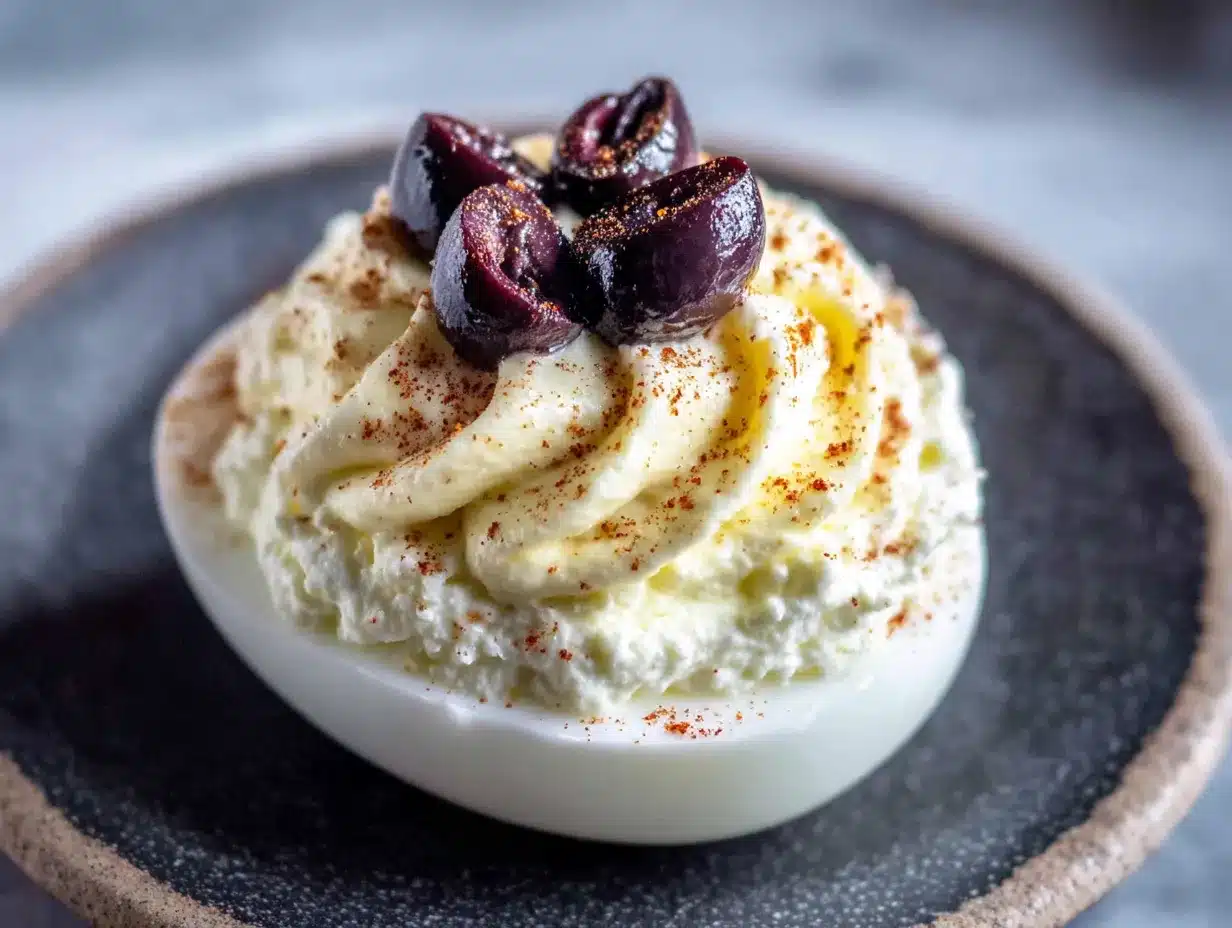
- Hard-boil the eggs. Place 12 large eggs in a single layer in your saucepan. Cover with cold water by about an inch. Bring to a rolling boil over high heat, then cover the pot, remove from heat, and let sit for exactly 12 minutes. While they cook, prepare an ice bath in a large bowl. When the timer goes off, transfer the eggs to the ice bath using a slotted spoon. Let them cool for at least 5 minutes—this stops the cooking and makes peeling much easier.
- Peel the eggs. Gently tap each egg on the counter to crack the shell all over, then roll it between your palms to loosen the shell. Start peeling from the wider end where the air pocket is—the membrane comes off easier there. Rinse each peeled egg under cool water to remove any tiny shell fragments. Pat dry with paper towels. If you’re struggling with peeling, try doing it under running water—the water helps separate the shell from the egg white.
- Slice the eggs in half lengthwise. Using a sharp knife, cut each egg cleanly from top to bottom. Wipe the knife between cuts to keep the edges neat. Gently pop out the yolks into your mixing bowl. Arrange the egg white halves on your serving platter, cut side up. You should have 24 half-egg boats ready for filling.
- Make the filling. Add 1/3 cup mayonnaise, 1 tablespoon yellow mustard, 1 teaspoon white vinegar, 1/4 teaspoon salt, 1/8 teaspoon black pepper, and 1/2 teaspoon paprika to the bowl with the egg yolks. Mash everything together with a fork until smooth and creamy. Taste and adjust seasoning—I usually add another pinch of salt and a dash more paprika. The filling should be thick enough to hold its shape but soft enough to spoon easily.
- Fill the egg whites. Spoon the filling into each egg white half, dividing it evenly. You can use a teaspoon for a rustic look, or transfer the filling to a piping bag (or zip-top bag with corner snipped) for cleaner lines. I usually leave the filling slightly mounded in the center—it looks more appetizing that way. If you’re piping, use a star tip for a decorative edge.
- Prepare the olive spiders. Drain your can of black olives and pat them dry with paper towels. For each spider, you’ll need one olive for the body and another olive cut into legs. Take one olive and slice it in half lengthwise—this will be the spider’s body. Take a second olive and slice it into thin rounds (about 4-5 slices per olive), then cut each round in half to create little leg pieces. You should get 8-10 leg pieces per spider. Arrange 4 leg pieces on each side of the olive body to create the spider shape.
- Assemble the spiders on the eggs. Place one olive body half on top of each filled egg, positioning it slightly off-center so the legs have room. Arrange the leg pieces around the body—4 on each side, slightly angled to look like spider legs. Press them gently into the filling so they stay in place. For extra creepiness, you can add tiny eyes using a dab of mayonnaise and a speck of black olive, but honestly, the plain olive spiders look plenty spooky on their own.
- Garnish and serve. Sprinkle a light dusting of paprika over the eggs for color. If you’re feeling fancy, arrange fresh chives or parsley around the platter to look like grass. Serve immediately or refrigerate until ready to serve. These look best when served within 2 hours of assembly.
Sensory Cues: When the eggs are done boiling, you should hear a gentle rattle when you shake the pot—that’s the eggs settling. The yolks should be bright yellow and crumbly when you mash them, not grayish or rubbery. The filling should smell tangy from the mustard and vinegar, with a subtle smokiness from the paprika. When you arrange the olive legs, they should stick slightly to the filling—if they slide off, your filling might be too soft (add another pinch of salt to firm it up).
Cooking Tips & Techniques
After making these quick spooky deviled eggs with olive spiders about a dozen times, I’ve picked up a few tricks that make the process smoother and the results more reliable.
The perfect hard-boiled egg: The biggest mistake people make is overcooking the eggs. That green ring around the yolk? That’s from cooking too long or at too high a temperature. My method—boil, then rest off heat for 12 minutes—gives you firm but tender whites and creamy yolks every time. If you’re short on time, you can use an instant pot: cook on high pressure for 5 minutes, then quick release and transfer to an ice bath.
Peeling without tears: I used to dread peeling hard-boiled eggs until I learned this trick: crack the egg gently all over, then roll it between your palms to loosen the shell. Start peeling from the wider end where the air pocket sits. If the shell sticks, dip the egg back in the ice water for 30 seconds—the cold water helps separate the membrane. I’ve ruined plenty of eggs by being impatient, so trust me on this one.
Olive spider assembly: The key to making spiders that actually look like spiders (and not just messy olive piles) is to cut the leg pieces thin enough. Aim for slices about 1/8 inch thick—any thicker and they look like chunks, not legs. Also, pat the olives dry before cutting; wet olives are slippery and harder to slice cleanly. If your olives are falling apart, they might be too soft—try a different brand next time.
Timing and multitasking: While the eggs boil, prep the olives. While the eggs cool, make the filling. This recipe is all about parallel processing. I’ve made these in under 20 minutes by starting the water boiling, then slicing olives while waiting for the eggs to cook. The whole thing comes together faster than you’d expect.
Consistency tips: For the smoothest filling, make sure your mayo is at room temperature. Cold mayo doesn’t blend as well with the yolks. If your filling seems too thick, add a teaspoon of pickle juice or lemon juice—it thins it out and adds flavor. Too thin? Add another yolk (if you have a spare) or a tablespoon of breadcrumbs to absorb excess moisture.
One failure I’ll never forget: I once tried to make these the night before a party and stored them in the fridge with plastic wrap directly on the eggs. Big mistake. The plastic stuck to the olive spiders and pulled half of them off. Now I use a covered container with a paper towel laid gently on top—the paper towel absorbs condensation without sticking to the olives.
Variations & Adaptations
These quick spooky deviled eggs with olive spiders are surprisingly versatile. Here are some variations I’ve tried and loved:
Spicy Southwest Version: Add 1/4 teaspoon cayenne pepper and 1 tablespoon chopped pickled jalapeños to the filling. The heat pairs beautifully with the briny olives. I made this version for a Halloween fiesta and they were gone in ten minutes. Garnish with a tiny slice of jalapeño on top of each spider for extra color.
Smoky Bacon Version: Crumble 4 strips of crispy bacon into the filling before spooning it into the eggs. The smoky, salty bacon complements the creamy filling and olive spiders perfectly. This version feels more indulgent and is great for adult parties where you want something a little more substantial.
Herb Garden Version: Mix 2 tablespoons of finely chopped fresh dill or chives into the filling. The fresh herbs add brightness and color. I like using dill because it has that slight pickle flavor that works so well with eggs. Top each spider with a tiny sprig of dill for a garden-fresh look.
Avocado Twist: Replace half the mayonnaise with mashed ripe avocado. This gives the filling a beautiful green color and a creamy, rich texture. The avocado flavor is mild enough that it doesn’t overpower the classic deviled egg taste. This version is great for anyone watching their dairy or looking for a healthier option.
Dairy-Free Option: Use vegan mayonnaise and skip the vinegar (or use lemon juice). The filling will be slightly tangier but still delicious. I’ve made this version for friends with dairy allergies and they couldn’t tell the difference. Just make sure your mustard is dairy-free—most yellow mustard is, but check the label.
Different Spider Looks: For a more dramatic effect, use kalamata olives instead of black olives. They’re darker and have a more intense flavor. You can also use green olives stuffed with pimento for a pop of color—just slice them the same way. I tried this once and the red centers looked like spider eyes, which was both creepy and cool.
Serving & Storage Suggestions
These quick spooky deviled eggs with olive spiders are best served chilled or at room temperature. I prefer them straight from the fridge because the cold filling holds its shape better and the olive spiders stay firmly in place. If you’re bringing them to a party, transport them on a flat platter covered with plastic wrap, and keep them refrigerated until serving time.
Presentation Ideas: Arrange the eggs on a dark-colored platter to make the white eggs and black spiders pop. I like using a black slate board or a dark wood cutting board. For extra Halloween flair, arrange fresh rosemary sprigs around the platter to look like spider webs, or scatter a few fake plastic spiders for a playful touch. A dusting of smoked paprika over the top adds color and a subtle smoky aroma.
Complementary Dishes: These eggs pair beautifully with other Halloween appetizers like mummy hot dogs, pumpkin-shaped cheese balls, or creepy-crawly veggie platters. For drinks, a crisp white wine or a dark beer complements the rich, creamy filling. Non-alcoholic options like apple cider or ginger ale work great too—the carbonation cuts through the richness.
Storage Instructions: Store leftover deviled eggs in an airtight container in the refrigerator for up to 2 days. Place a paper towel in the bottom of the container to absorb excess moisture. Do not freeze—the texture of the filling will become watery and the egg whites will become rubbery. I’ve learned this the hard way.
Reheating Tips: These are served cold, so no reheating needed. If you’ve refrigerated them and they seem a little dry, let them sit at room temperature for 10 minutes before serving. The filling will soften slightly and the flavors will become more pronounced.
Flavor Development: Honestly, these taste even better the next day. The flavors meld together overnight, and the filling becomes creamier and more cohesive. I sometimes make them a day ahead for parties, and they’re always a hit. Just wait to add the olive spiders until right before serving—they stay crispier that way.
Nutritional Information & Benefits
Here’s the approximate nutritional breakdown for one deviled egg with olive spider (based on 24 servings from 12 eggs):
- Calories: 65-75 calories per piece
- Protein: 5-6 grams
- Fat: 4-5 grams (mostly healthy fats from eggs and mayo)
- Carbohydrates: 1-2 grams
- Sodium: 150-200 mg (varies based on salt and olives)
Health Benefits: Eggs are a fantastic source of high-quality protein and contain all nine essential amino acids. They’re also rich in choline, which supports brain health, and lutein, which is good for your eyes. Black olives provide healthy monounsaturated fats and are a good source of iron and vitamin E. The mustard and vinegar add minimal calories while providing antioxidants and digestive benefits.
Dietary Considerations: This recipe is naturally gluten-free and low-carb, making it suitable for keto and paleo diets. It’s also vegetarian-friendly (though not vegan due to the eggs and mayo). For a lower-sodium version, use low-sodium olives and reduce the added salt. The main allergens are eggs and mustard—check your mayo label for soy or other allergens if needed.
Personal Perspective: I love that these deviled eggs are actually pretty nutritious for a party appetizer. They’re high in protein, which helps keep you full, and they don’t have the sugar crash that comes with most Halloween treats. When I bring these to parties, I feel good knowing there’s a healthy option that still looks fun and festive.
Conclusion
These quick spooky deviled eggs with olive spiders have become my Halloween tradition, and they started with a seven-year-old’s simple question. That’s what I love most about cooking—sometimes the best ideas come from the most unexpected places. My niece taught me that olives look like spiders, and now I can’t imagine making deviled eggs for Halloween any other way.
This recipe is proof that you don’t need fancy techniques or expensive ingredients to create something memorable. A dozen eggs, a can of olives, and twenty minutes are all you need to make an appetizer that will have everyone talking. Whether you’re hosting a Halloween party, bringing a dish to a potluck, or just want to make a fun weeknight dinner for your family, these deviled eggs deliver every time.
I’d love to hear how yours turn out! Did you try any of the variations? Did your kids or friends have their own ideas for improving the spider design? Drop a comment below and share your creations—I’m always looking for new twists on this recipe. And if you’re looking for more easy Halloween recipes, check out my spooky pumpkin dip and mummy pizza bites for a full spooky spread.
Happy Halloween, and happy cooking!
Frequently Asked Questions
Can I make these deviled eggs a day ahead?
Yes! You can prepare the deviled eggs up to 24 hours in advance. Just wait to add the olive spiders until right before serving—they stay crispier and look more impressive that way. Store the filled eggs in an airtight container in the refrigerator with a paper towel to absorb moisture.
How do I keep the olive spiders from falling off?
Press the olive pieces gently into the filling so they stick. If your filling is too firm, let the eggs sit at room temperature for 5 minutes before adding the spiders—the filling will soften slightly and hold the olives better. You can also use a tiny dab of mayo as “glue” under each leg piece.
Can I use different types of olives?
Absolutely! Kalamata olives work great for a more intense flavor and darker color. Green olives stuffed with pimento create a fun red-eyed spider look. Just make sure whatever olives you use are firm enough to slice cleanly—soft olives will fall apart.
How do I get perfectly peeled hard-boiled eggs every time?
Use eggs that are at least a week old (fresh eggs are harder to peel). After boiling, transfer them immediately to an ice bath and let them cool for at least 5 minutes. Crack the shell gently all over, then roll between your palms before peeling. Starting from the wider end (where the air pocket is) makes peeling much easier.
Can I make these without mayonnaise?
Yes! Substitute the mayonnaise with plain Greek yogurt for a tangier, lower-fat option. You can also use mashed avocado for a creamy, dairy-free version. Both alternatives work well, though the texture will be slightly different—the filling won’t be quite as rich, but it’ll still be delicious.
Pin This Recipe!
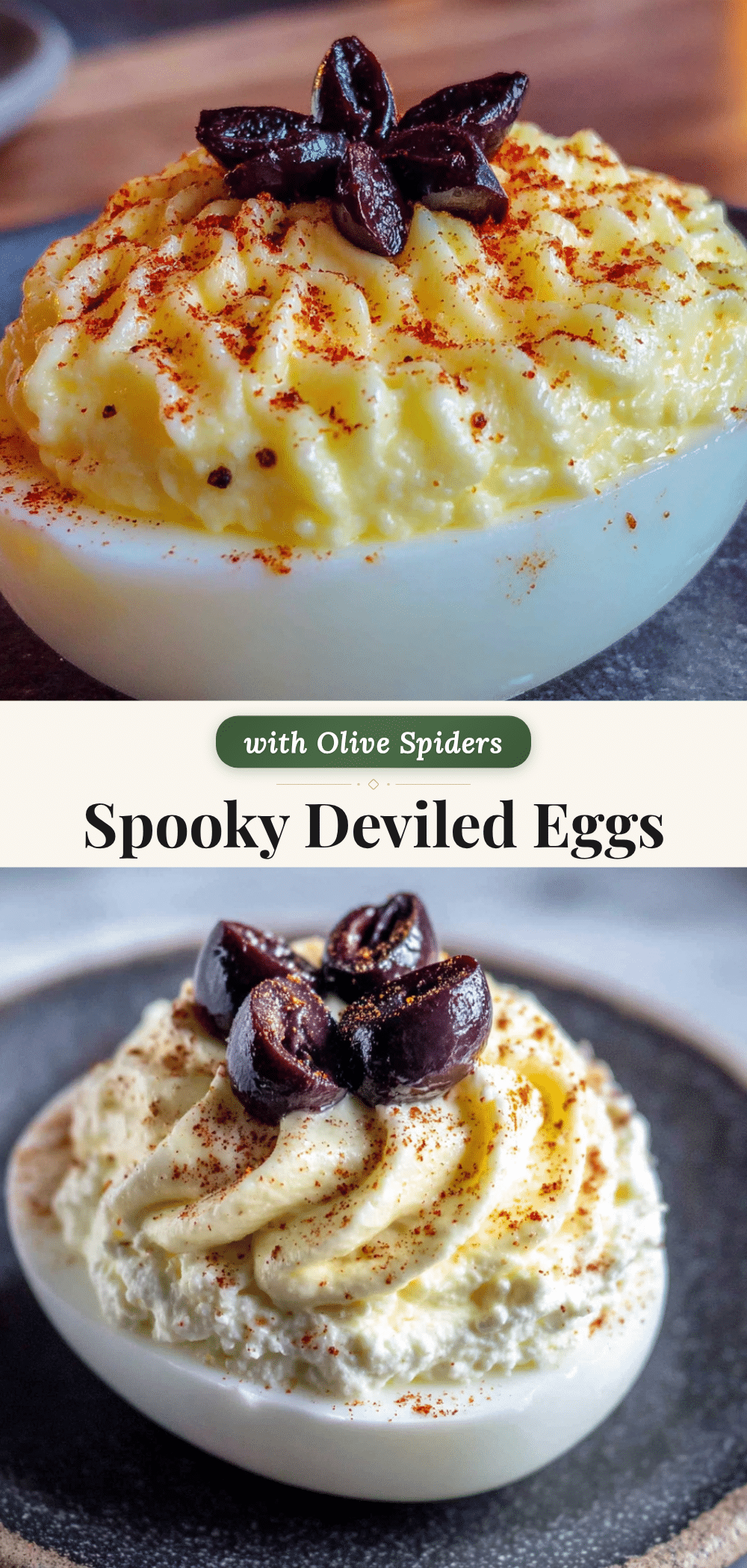
Quick Spooky Deviled Eggs: Easy Olive Spider Recipe for Halloween
These quick spooky deviled eggs with olive spiders are a fun and easy Halloween appetizer that comes together in under 20 minutes. Inspired by a clever seven-year-old, this recipe uses simple ingredients to create creepy-crawly deviled eggs that are perfect for parties and potlucks.
- Prep Time: 20 minutes
- Cook Time: 12 minutes
- Total Time: 32 minutes
- Yield: 24 deviled eggs 1x
- Category: Appetizer
- Cuisine: American
Ingredients
- 12 large eggs
- 1/3 cup mayonnaise (80ml)
- 1 tablespoon yellow mustard (15ml)
- 1 teaspoon white vinegar (5ml)
- 1/4 teaspoon salt (1.5g)
- 1/8 teaspoon black pepper (0.5g)
- 1/2 teaspoon paprika (1g), plus more for garnish
- 1 can black olives (about 24 olives)
- Optional: fresh chives or parsley for garnish
Instructions
- Hard-boil the eggs: Place 12 large eggs in a single layer in a saucepan. Cover with cold water by about an inch. Bring to a rolling boil over high heat, then cover, remove from heat, and let sit for exactly 12 minutes. Prepare an ice bath. Transfer eggs to ice bath and cool for at least 5 minutes.
- Peel the eggs: Gently tap each egg to crack the shell, roll between palms, and peel starting from the wider end. Rinse under cool water and pat dry.
- Slice eggs in half lengthwise. Remove yolks to a mixing bowl. Arrange egg white halves on a serving platter.
- Make the filling: Add mayonnaise, mustard, vinegar, salt, pepper, and paprika to the yolks. Mash until smooth and creamy. Adjust seasoning to taste.
- Fill the egg whites: Spoon or pipe the filling into each egg white half, dividing evenly.
- Prepare olive spiders: Drain olives and pat dry. For each spider, slice one olive in half lengthwise for the body. Slice a second olive into thin rounds (4-5 slices), then cut each round in half to create leg pieces. Arrange 4 leg pieces on each side of the olive body.
- Assemble spiders on eggs: Place one olive body half on each filled egg, slightly off-center. Arrange leg pieces around the body, pressing gently into the filling.
- Garnish and serve: Dust with paprika. Optionally, arrange fresh chives or parsley around the platter. Serve immediately or refrigerate.
Notes
Use eggs at least a week old for easier peeling. For best results, add olive spiders just before serving to keep them crisp. Store leftovers in an airtight container with a paper towel for up to 2 days. Do not freeze.
Nutrition
- Serving Size: 1 deviled egg
- Calories: 70
- Sodium: 175
- Fat: 5
- Saturated Fat: 1.5
- Carbohydrates: 1
- Protein: 5
Keywords: Halloween deviled eggs, olive spiders, spooky appetizer, easy Halloween recipe, quick deviled eggs