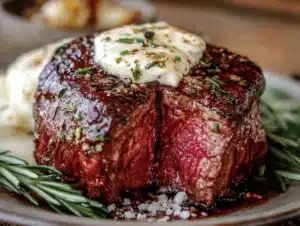
The office chili cook-off was in six hours and I’d completely forgotten. Everyone else would be bringing their grandmother’s secret recipe, slow-simmered for two days, with hand-ground meat and heirloom beans. I had a beef tenderloin in my fridge that I’d planned to grill over the weekend. And a jar of horseradish that was probably two years old. Honestly, I almost just ordered pizza for the team and called it a day.
But then I thought—maybe I could sear that tenderloin fast, whip up something creamy, and slice it thin over arugula. A salad? No. Something heartier. A quick sear, a pan sauce situation, and some crusty bread. I mean, technically it’s still “chili-adjacent” if you squint, right?
I seared that tenderloin in a screaming hot cast iron skillet, deglazed the pan with a splash of beef broth, and stirred in sour cream and that old jar of horseradish. I sliced the meat thin, drizzled the sauce over it, and brought it in a Tupperware. People went quiet. Then they asked for the recipe. I won a gift card and a lot of confused respect. Maybe you’ve been there—scrambling, out of time, and somehow landing on something that works anyway. That’s this recipe. It’s the accidental overachiever of weeknight dinners.
Why You’ll Love This Recipe
This Quick Beef Tenderloin with Creamy Horseradish Sauce isn’t just another steak recipe. It’s the one that saves your evening when you have zero time but still want to feel like you pulled something off. I’ve tested this on tired Tuesday nights and last-minute dinner guests, and it delivers every single time.
- Quick & Easy: From fridge to plate in under 25 minutes. No marinating, no complicated techniques—just a hot pan and a few simple steps.
- Simple Ingredients: You probably already have the horseradish, sour cream, and broth in your pantry. The beef tenderloin is the only special purchase, and it’s worth every penny for how fast it cooks.
- Perfect for Weeknights: This is a meal that feels fancy but fits into your real schedule. It’s impressive enough for a date night at home but fast enough for a chaotic Wednesday.
- Crowd-Pleaser: Even picky eaters love this. The sauce is creamy and tangy without being overpowering, and the beef is so tender it practically melts.
- Unbelievably Delicious: The contrast between the perfectly seared, juicy beef and the cool, zesty horseradish sauce is next-level comfort food. It’s the kind of dinner that makes you close your eyes after the first bite.
What makes this version different? It’s the technique. Most recipes tell you to rest the meat forever or mess with complicated reductions. I skip all that. A quick high-heat sear, a simple pan sauce, and you’re done. No fuss, no stress—just really good food that makes you look like you planned it all along.
What Ingredients You Will Need
This recipe uses simple, high-quality ingredients to deliver bold flavor without the fuss. Most of these are pantry staples, and the beef is the star that does all the heavy lifting.
- Beef tenderloin (1 to 1.5 pounds, trimmed of silver skin). Look for a center-cut piece for even cooking. I usually grab mine from the butcher counter at Whole Foods or Costco—both have consistently good quality.
- Kosher salt (1 teaspoon, plus more for seasoning). Use a coarse salt for better control. Diamond Crystal is my go-to because it’s less salty per teaspoon than Morton’s.
- Freshly ground black pepper (½ teaspoon, plus more for seasoning). Always grind it fresh—pre-ground pepper just doesn’t have the same punch.
- Olive oil (1 tablespoon, for searing). Use a neutral olive oil, not extra-virgin, since we’re cooking at high heat.
- Unsalted butter (2 tablespoons, divided). One tablespoon for the pan sauce, one for basting the beef if you want extra richness.
- Shallot (1 medium, finely minced). Adds a subtle sweetness to the sauce. If you don’t have shallots, use a small amount of finely minced white onion.
- Beef broth (½ cup). Use a good-quality low-sodium broth. I prefer the brand Better Than Bouillon because the flavor is deeper and more concentrated.
- Heavy cream (¼ cup). This gives the sauce its luxurious texture. You can substitute half-and-half in a pinch, but the sauce will be thinner.
- Prepared horseradish (2 tablespoons, drained). The key ingredient! Look for refrigerated horseradish in the deli section—it’s much more pungent and flavorful than the shelf-stable kind. I like the brand Gold’s.
- Sour cream (2 tablespoons). Adds tanginess and helps balance the heat of the horseradish. Full-fat works best here.
- Fresh chives (1 tablespoon, chopped, for garnish). Optional but nice for color and a mild oniony finish.
Substitution Guidance: If you can’t find beef tenderloin, you can use sirloin steak or ribeye, but adjust cooking time accordingly—thinner cuts cook faster. For a dairy-free version, use a plant-based heavy cream and dairy-free sour cream, though the flavor will be slightly different. Vegetarian? Try this same technique with a thick portobello mushroom cap.
Equipment Needed
You don’t need a lot of fancy tools for this recipe, which is exactly how I like it. Here’s what you’ll need:
- Cast iron skillet (10 or 12-inch). This is my favorite for searing because it holds heat so well. A heavy stainless steel pan works too, but avoid nonstick—you won’t get a good crust.
- Sharp chef’s knife (8-inch). For trimming the tenderloin and mincing the shallot. A dull knife makes everything harder.
- Cutting board. Preferably wooden or plastic. I keep a separate one just for raw meat.
- Tongs. For flipping the beef without piercing it. Silicone-tipped tongs are gentle on the pan’s surface.
- Instant-read thermometer. This is non-negotiable for perfect doneness. I use a Thermapen—it’s pricey but worth it for the speed and accuracy.
- Small whisk. For stirring the sauce and making sure it’s smooth.
- Measuring spoons. For precise seasoning.
- Paper towels. For patting the beef dry—this is key for a good sear.
Budget-friendly alternatives: If you don’t have a cast iron skillet, any heavy-bottomed pan will work. Just make sure it’s preheated well. And if you don’t have an instant-read thermometer, you can use the finger test (press the meat and compare it to the fleshy part of your palm below your thumb), but the thermometer is more reliable.
Preparation Method
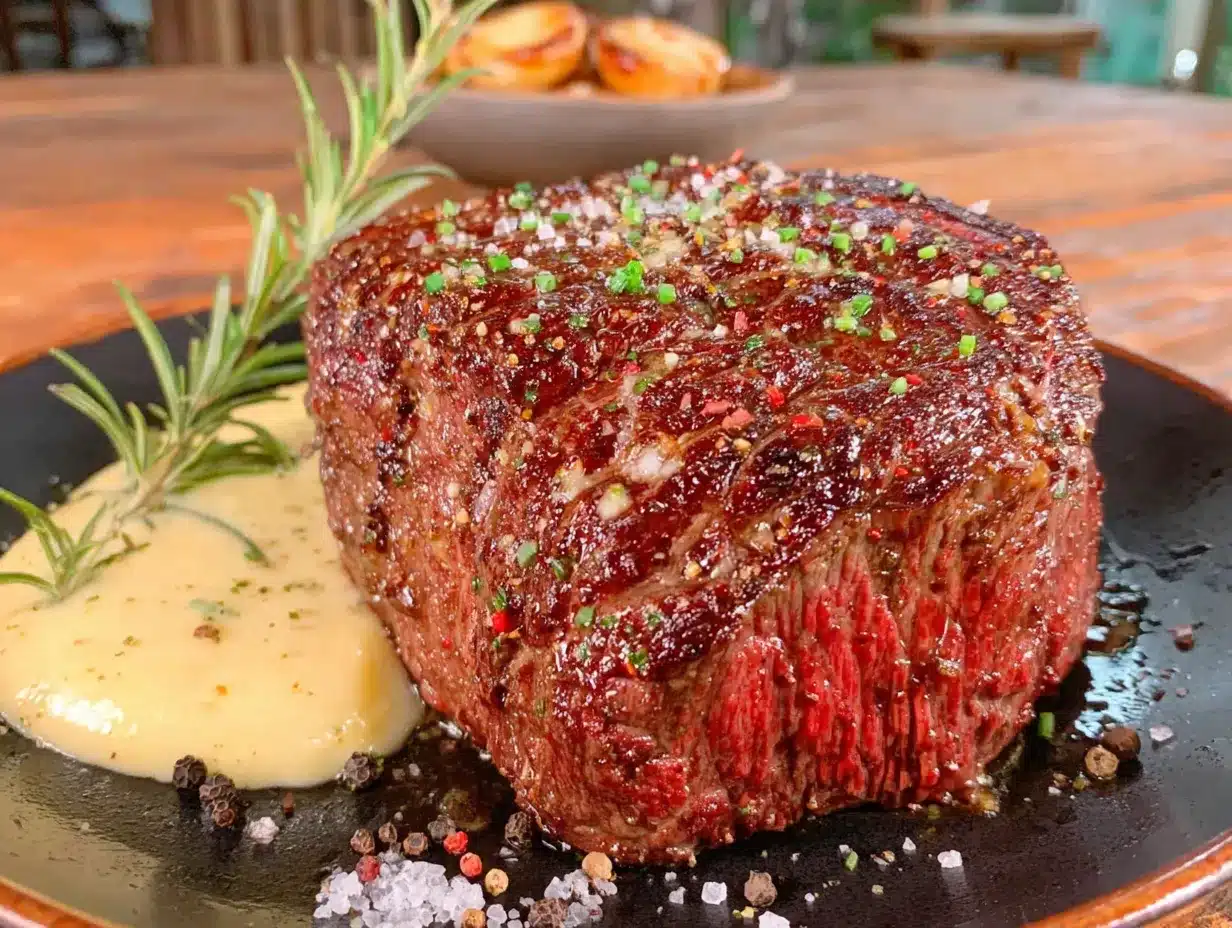
This comes together fast, so read through the steps once before you start. Have everything prepped and ready to go—the actual cooking is about 15 minutes.
- Prep the beef. Take the beef tenderloin out of the fridge 20-30 minutes before cooking to let it come to room temperature. This helps it cook evenly. Pat it completely dry with paper towels—moisture is the enemy of a good sear. Season generously on all sides with kosher salt and freshly ground black pepper. Don’t be shy with the salt; most of it will stay in the pan.
- Preheat your skillet. Place your cast iron skillet over high heat for at least 5 minutes. You want it screaming hot—a drop of water should sizzle and evaporate instantly. Add the olive oil and swirl to coat the bottom. The oil should shimmer, almost smoking.
- Sear the tenderloin. Carefully place the beef in the hot skillet. It should sizzle loudly—if it doesn’t, the pan isn’t hot enough. Sear for 3-4 minutes without moving it. You want a deep, golden-brown crust. Use tongs to flip and sear the other side for another 3-4 minutes. Then sear the remaining two sides for about 1-2 minutes each. The total cooking time will be about 10-12 minutes for medium-rare, depending on the thickness of your tenderloin.
- Check the temperature. Insert your instant-read thermometer into the thickest part of the tenderloin. For medium-rare, you’re looking for 125°F (52°C). The temperature will rise another 5-10 degrees while resting. If it’s not there yet, continue searing, turning every minute, until it reaches the target.
- Rest the beef. Transfer the seared tenderloin to a cutting board and tent loosely with aluminum foil. Let it rest for 5-10 minutes. This is crucial—resting allows the juices to redistribute so they don’t run out when you slice the meat. Do not skip this step.
- Make the pan sauce. While the beef rests, reduce the heat under the skillet to medium. Add 1 tablespoon of butter and the minced shallot. Cook for about 1 minute, stirring constantly, until the shallot is softened and fragrant. The butter will help lift all those flavorful browned bits from the bottom of the pan—this is called deglazing.
- Add the broth. Pour in the beef broth and bring it to a simmer. Use your whisk to scrape up any remaining browned bits. Let the broth reduce by about half, which should take 2-3 minutes. You want it slightly thickened and concentrated in flavor.
- Finish the sauce. Reduce the heat to low. Stir in the heavy cream, prepared horseradish (drained), and sour cream. Whisk until the sauce is smooth and combined. Taste and adjust seasoning with salt and pepper. If the sauce is too thick, add a splash more broth. If it’s too thin, let it simmer for another minute.
- Slice and serve. After the beef has rested, slice it against the grain into ½-inch thick medallions. The slices should be tender and pink in the center. Arrange the slices on a platter or individual plates, spoon the creamy horseradish sauce over the top, and garnish with fresh chives.
Troubleshooting tip: If your sauce looks curdled, don’t panic. It usually means the heat was too high or you added the dairy too quickly. Remove the pan from the heat and whisk vigorously—it often comes back together. If not, strain it through a fine-mesh sieve and start over with a lower heat.
Cooking Tips & Techniques
I’ve made this recipe at least two dozen times, and I’ve learned a few things the hard way. Here are my best tips for getting it right every time.
Don’t crowd the pan. If you’re cooking more than 1.5 pounds of tenderloin, do it in batches. Overcrowding drops the pan temperature and steams the meat instead of searing it. You want that crust, not gray, sad beef.
Pat the beef dry twice. I know it sounds obsessive, but moisture is the enemy. Even if you think it’s dry, pat it again with a fresh paper towel. This is the single most important step for a good sear. I once forgot to do this and ended up with a pale, rubbery exterior—it was a sad dinner.
Use a thermometer. Guessing doneness by time alone is risky, especially with a tenderloin that’s not perfectly uniform in thickness. An instant-read thermometer takes the guesswork out. I’ve overcooked more steaks than I care to admit before I started using one.
Let the pan get hot enough. I know you’re in a hurry, but don’t rush the preheat. A properly hot skillet should make the oil shimmer and the beef sizzle the second it hits the surface. If you add the beef and it barely makes a sound, take it out and wait another 2 minutes.
Rest the meat longer than you think. Five minutes is the minimum. I usually go for 8-10 minutes. The carryover cooking continues to gently warm the center while the juices settle. Slice too early and you’ll have a pool of juice on your cutting board and dry meat on your plate.
Drain the horseradish. This is a small detail that makes a big difference. Bottled horseradish has a lot of liquid, which can thin out your sauce. Drain it in a fine-mesh sieve before adding it to the cream mixture. You’ll get a more concentrated flavor without the watery texture.
Multitasking strategy: While the beef rests, make the sauce. While the sauce simmers, slice some bread or toss a simple salad. This recipe is designed so you can do everything in sequence without wasting a minute.
Variations & Adaptations
This recipe is forgiving, and I’ve tried a few different versions over the years. Here are some ways to make it your own.
Herb-Crusted Tenderloin: Before searing, press a mixture of chopped fresh rosemary, thyme, and garlic into the seasoned beef. The herbs create a fragrant crust that pairs beautifully with the horseradish sauce. I tried this for a dinner party and it was a huge hit—the herbs added a layer of complexity without overwhelming the beef.
Spicy Horseradish Sauce: If you like more heat, add an extra tablespoon of horseradish and a pinch of cayenne pepper to the sauce. You can also stir in a teaspoon of Dijon mustard for extra tang. My husband loves this version—he says it clears his sinuses in the best way.
Dairy-Free Adaptation: Use full-fat coconut cream instead of heavy cream and a dairy-free sour cream alternative. The coconut flavor is subtle and actually works well with the horseradish. I tested this for a friend with a dairy allergy and she couldn’t tell the difference.
Grilled Version: In the summer, I often grill the tenderloin instead of searing it in a skillet. Preheat your grill to high heat, oil the grates, and grill the tenderloin for 4-5 minutes per side for medium-rare. Make the sauce on the stovetop while the grill is going. The smoky flavor adds a whole new dimension.
Steak Version: If you can’t find tenderloin, this same sauce works beautifully with any good steak—ribeye, sirloin, or even flank steak. Adjust the cooking time based on the thickness of your steak. I’ve done this with a thick ribeye and it was just as good, though the texture is different.
Serving & Storage Suggestions
This dish is best served immediately, but there are a few ways to make it work for your schedule.
Serving temperature and presentation: Serve the sliced tenderloin warm, with the sauce spooned over the top. I like to arrange the medallions on a large platter with the sauce drizzled in a zigzag pattern—it looks impressive with minimal effort. Garnish with fresh chives or microgreens for color.
Complementary dishes: This pairs beautifully with roasted asparagus, garlic mashed potatoes, or a simple arugula salad with lemon vinaigrette. The peppery arugula cuts through the richness of the sauce. For a low-carb option, serve with roasted broccoli or cauliflower mash. A glass of bold red wine, like a Cabernet Sauvignon or Malbec, is a perfect match.
Storage instructions: Store leftover sliced beef and sauce separately in airtight containers in the refrigerator. The beef will keep for 3-4 days, and the sauce for up to 5 days. The flavors in the sauce actually deepen and meld together overnight, so leftovers can taste even better.
Reheating methods: Reheat the beef gently to avoid drying it out. The best method is to place the slices in a skillet with a splash of beef broth, cover, and warm over low heat for 2-3 minutes. You can also microwave individual portions on 50% power in 30-second bursts. Reheat the sauce in a small saucepan over low heat, stirring occasionally. If it thickens too much, thin it with a splash of broth or milk.
Freezer notes: The sauce freezes well for up to 3 months. The beef is best fresh, but you can freeze cooked slices in a single layer on a baking sheet, then transfer to a freezer bag. Thaw overnight in the refrigerator and reheat gently.
Nutritional Information & Benefits
This recipe is surprisingly balanced for something that feels so indulgent. Here’s the estimated nutritional breakdown per serving (based on 4 servings):
- Calories: 420
- Protein: 35g
- Fat: 28g
- Carbohydrates: 4g
- Fiber: 0g
- Sugar: 2g
Health benefits of key ingredients: Beef tenderloin is an excellent source of high-quality protein, iron, and B vitamins, which support energy metabolism and red blood cell production. Horseradish contains compounds called glucosinolates, which have been studied for their potential anti-inflammatory and antimicrobial properties. The sauce’s moderate fat content helps with the absorption of fat-soluble vitamins from any vegetables you serve alongside.
Dietary considerations: This recipe is naturally gluten-free and low-carb (only 4g of carbs per serving). It’s also keto-friendly if you use full-fat dairy. The main allergens are dairy (from the cream, sour cream, and butter) and possible sulfites in the prepared horseradish. For a dairy-free version, see the variations section above.
Personal wellness perspective: I love that this recipe feels special but doesn’t derail my eating habits. It’s protein-rich and satisfying, which means I don’t feel the need to snack later. The horseradish adds a little zing that wakes up your taste buds without any added sugar or artificial flavors.
Conclusion
This Quick Beef Tenderloin with Creamy Horseradish Sauce is the kind of recipe that makes you feel like you’ve got it all figured out—even when you’re rushing around on a Tuesday night. It’s proof that you don’t need hours in the kitchen or a long list of ingredients to create something truly memorable. The beef is tender, the sauce is tangy and rich, and the whole thing comes together in under 30 minutes.
I love this recipe because it’s become my go-to for those nights when I need to impress without the stress. It’s also the dish I bring to potlucks and family gatherings—the one that always gets asked for. Honestly, it’s hard to believe something so simple can taste this good.
I’d love to hear how it turns out for you! Did you try a variation? Did your family love it? Drop a comment below and let me know. And if you’re looking for more quick weeknight dinners, check out my crispy garlic chicken or these easy sheet pan salmon recipes—they’re both lifesavers on busy nights. Happy cooking!
Frequently Asked Questions
Can I use a different cut of beef?
Absolutely. Sirloin, ribeye, or even a thick-cut New York strip work great. Just adjust the cooking time based on the thickness—thinner cuts will cook faster. The horseradish sauce is versatile enough to complement any steak.
How do I know when the beef is done without a thermometer?
You can use the finger test: press the center of the steak and compare it to the fleshy part of your palm below your thumb when your hand is relaxed. For medium-rare, it should feel soft and springy. But honestly, a thermometer is much more reliable and takes the guesswork out.
Can I make the horseradish sauce ahead of time?
Yes! The sauce can be made up to 2 days in advance. Store it in an airtight container in the refrigerator. Reheat it gently over low heat, stirring occasionally, before serving. The flavors actually meld together nicely overnight.
Is this recipe keto-friendly?
Yes, it is. With only 4g of carbohydrates per serving, it fits perfectly into a keto or low-carb lifestyle. Just be sure to use full-fat dairy and avoid any starchy sides like mashed potatoes. Roasted vegetables or a green salad are great options.
What if I don’t like horseradish?
No problem! You can substitute the horseradish with Dijon mustard for a different but equally delicious sauce. Or try a simple pan sauce with mushrooms and thyme instead. The technique stays the same—just swap the flavor profile to suit your taste.
Pin This Recipe!
Quick Beef Tenderloin Recipe with Creamy Horseradish Sauce
A quick and easy beef tenderloin recipe with a creamy horseradish sauce, perfect for weeknights or last-minute dinner guests. Ready in under 25 minutes with simple ingredients.
- Prep Time: 10 minutes
- Cook Time: 15 minutes
- Total Time: 25 minutes
- Yield: 4 servings 1x
- Category: Main Course
- Cuisine: American
Ingredients
- 1 to 1.5 pounds beef tenderloin, trimmed of silver skin
- 1 teaspoon kosher salt, plus more for seasoning
- ½ teaspoon freshly ground black pepper, plus more for seasoning
- 1 tablespoon olive oil
- 2 tablespoons unsalted butter, divided
- 1 medium shallot, finely minced
- ½ cup low-sodium beef broth
- ¼ cup heavy cream
- 2 tablespoons prepared horseradish, drained
- 2 tablespoons sour cream
- 1 tablespoon fresh chives, chopped (for garnish)
Instructions
- Take the beef tenderloin out of the fridge 20-30 minutes before cooking to let it come to room temperature. Pat it completely dry with paper towels. Season generously on all sides with kosher salt and freshly ground black pepper.
- Place a cast iron skillet over high heat for at least 5 minutes. Add the olive oil and swirl to coat the bottom. The oil should shimmer, almost smoking.
- Carefully place the beef in the hot skillet. Sear for 3-4 minutes without moving it. Flip and sear the other side for another 3-4 minutes. Then sear the remaining two sides for about 1-2 minutes each. Total cooking time will be about 10-12 minutes for medium-rare.
- Insert an instant-read thermometer into the thickest part of the tenderloin. For medium-rare, aim for 125°F (52°C). The temperature will rise another 5-10 degrees while resting.
- Transfer the seared tenderloin to a cutting board and tent loosely with aluminum foil. Let it rest for 5-10 minutes.
- While the beef rests, reduce the heat under the skillet to medium. Add 1 tablespoon of butter and the minced shallot. Cook for about 1 minute, stirring constantly, until softened.
- Pour in the beef broth and bring to a simmer. Use a whisk to scrape up any browned bits. Let the broth reduce by about half, 2-3 minutes.
- Reduce the heat to low. Stir in the heavy cream, prepared horseradish (drained), and sour cream. Whisk until smooth. Taste and adjust seasoning with salt and pepper.
- After the beef has rested, slice it against the grain into ½-inch thick medallions. Arrange on a platter, spoon the sauce over the top, and garnish with fresh chives.
Notes
Pat the beef dry twice for the best sear. Let the pan get hot enough before adding the beef. Rest the meat for at least 5-10 minutes. Drain the horseradish to avoid thinning the sauce. If the sauce curdles, remove from heat and whisk vigorously.
Nutrition
- Serving Size: 1 serving (approxima
- Calories: 420
- Sugar: 2
- Sodium: 580
- Fat: 28
- Saturated Fat: 12
- Carbohydrates: 4
- Protein: 35
Keywords: beef tenderloin, creamy horseradish sauce, quick dinner, weeknight meal, steak recipe