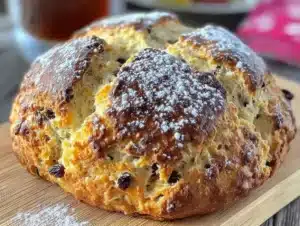
I wasn’t supposed to be there. My neighbor, Mrs. Gable, had just had hip surgery, and I’d promised to water her plants while she was recovering. It was a Tuesday—nothing special. I let myself in with the spare key she’d hidden under the ceramic frog, and that’s when it hit me. Not the scent of pine cleaner or old books, which I’d expected. It was sugar. Warm, yeasty, jammy sugar, wrapping around me like a blanket I didn’t know I needed.
I found her in the kitchen, one leg propped up on a stool, her hands dusted in flour. “Oh, don’t mind me,” she said when I asked what she was doing. “Just making a mess.” She was rolling out dough like it was nothing—like she hadn’t just had surgery, like she wasn’t supposed to be resting. She gestured with her chin toward a tray of golden, puffy rounds cooling on the counter. “Sufganiyot. My grandmother’s recipe. But I bake ’em. No deep frying. My hips can’t take the grease.” She said it so casually, like she was telling me the weather.
I stood there, honestly a little stunned. I’d only ever had sufganiyot from the bakery—those heavy, oil-soaked jelly doughnuts that taste incredible but leave you feeling like you need a nap. These were different. They were light. They weren’t greasy. And the smell—honestly, I almost cried. It was the smell of someone’s childhood, of holidays I’d never celebrated, of a kitchen that had seen decades of love. I asked for the recipe, and she just shrugged. “It’s not a secret. It’s just dough. But you have to be patient with it.”
That was three years ago. I’ve made these baked sufganiyot at least a dozen times since, and every single time, I think of Mrs. Gable and her nonchalant brilliance. She wasn’t trying to impress anyone. She was just making something good for herself. And that, honestly, is the best kind of recipe—the one that doesn’t try to be anything special, and ends up being exactly that. Maybe you’ve been there—standing in someone else’s kitchen, watching them make magic look like an accident. That’s what this is. A happy accident you get to recreate on purpose.
Why You’ll Love This Recipe
Let me tell you why I keep coming back to these baked sufganiyot, and why I think you will too. First off—they’re baked, not fried. That means no standing over a pot of hot oil, no splatters on your stovetop, and honestly, no guilt about eating three in one sitting. They still have that pillowy, tender crumb you crave from a traditional sufganiyah, but without the heavy grease factor. It’s a game-changer for anyone who loves the idea of homemade doughnuts but hates the hassle of deep frying.
Here’s what else makes this recipe a keeper:
- Quick & Easy: The dough comes together in about 15 minutes. The rising takes a little time, but that’s hands-off. You’re not slaving over a stove.
- Simple Ingredients: Flour, yeast, eggs, butter, milk, sugar, and jam. That’s it. No weird specialty items you’ll use once and forget about.
- Perfect for Cozy Evenings: These are made for cold weather, lazy Sundays, or any day you need a little warmth. The smell alone will fix your mood.
- Crowd-Pleaser: I’ve served these to kids, grandparents, and everyone in between. They disappear fast. People don’t believe they’re baked.
- Unbelievably Delicious: The texture is soft and airy, the jam is sweet and tart, and the powdered sugar on top? It’s pure comfort in every bite.
What makes this recipe different from the rest is the technique. Most baked sufganiyot recipes end up dense or dry. Not this one. The secret is a wetter dough than you’d expect, and a second rise after filling. It sounds fussy, but trust me—it’s what gives you that bakery-style fluffiness without the fryer. I tested this six times before I got it right. This is the version that made Mrs. Gable nod in approval. And honestly, that nod meant more than any recipe award.
This isn’t just a recipe. It’s the kind of thing you make when you need to slow down. When you need the kitchen to feel like a hug. When you want to create something that makes people close their eyes after the first bite. That’s the whole point.
What Ingredients You Will Need
This recipe uses simple, wholesome ingredients to deliver that signature sufganiyot texture—soft, airy, and just a little bit rich. Nothing here is complicated, but a few choices really matter. Let me walk you through what you’ll need and why.
For the Dough
- 3 ½ cups (440g) all-purpose flour – I use King Arthur Flour for consistent results. Spoon and level your flour—don’t scoop straight from the bag, or you’ll end up with dry dough.
- ¼ cup (50g) granulated sugar – Just enough sweetness to balance the yeast. Don’t skip it; it feeds the yeast and adds tenderness.
- 2 ¼ teaspoons (1 packet) active dry yeast – I prefer Red Star or Fleischmann’s. Make sure your yeast is fresh. If it doesn’t foam in warm milk, start over.
- ½ cup (120ml) whole milk, warm (110°F/43°C) – Whole milk gives the richest flavor, but 2% works too. Don’t use skim—it’ll make the dough tough.
- ¼ cup (60ml) water, warm – Helps hydrate the dough without making it too heavy.
- 2 large eggs, room temperature – Cold eggs will shock the yeast. Leave them out for 30 minutes before starting.
- 1 large egg yolk, room temperature – Extra yolk for richness. You’ll use the white for something else or just toss it.
- 4 tablespoons (56g) unsalted butter, softened – European-style butter like Plugrà adds more flavor, but any unsalted butter works. Salted butter will throw off the balance.
- 1 teaspoon vanilla extract – Pure, not imitation. It rounds out the flavor beautifully.
- ½ teaspoon salt – Fine sea salt, not coarse. It controls the yeast and enhances everything.
For the Filling

- ¾ cup (about 240g) seedless raspberry jam – Bonne Maman is my go-to. It’s thick enough to stay put but soft enough to pipe. If your jam is too chunky, warm it slightly and strain it.
- Optional: 1 tablespoon raspberry liqueur (like Chambord) – Adds a grown-up kick. Skip it for a family-friendly version.
For the Topping
- ½ cup (60g) powdered sugar – For dusting generously right before serving. Don’t dust too early, or the sugar will melt into the dough.
Substitution Notes: If you need a dairy-free version, use warm oat milk and vegan butter (Miyoko’s works well). The texture will be slightly less tender, but still delicious. For a gluten-free option, I honestly can’t recommend a straight swap here—gluten-free flour blends don’t give the same stretchy dough. But if you’re adventurous, try a 1:1 gluten-free baking flour and add 1 teaspoon of xanthan gum. Your mileage may vary.
Ingredient Sourcing Tip: If you can find high-quality raspberry jam from a local farmer’s market, use it. The difference is noticeable. The jam is the star of the filling, so don’t skimp here.
Equipment Needed
You don’t need a fancy bakery setup for these baked sufganiyot. Here’s what I use and what you can substitute if you’re working with a minimalist kitchen.
- Stand mixer with dough hook – This is my preference. The dough is sticky and soft, and kneading by hand is messy. But you can absolutely do it by hand—it’ll just take 10-12 minutes of kneading on a floured surface. I’ve done both. The stand mixer is easier, but hand-kneading gives you a better feel for the dough.
- Large mixing bowl – For rising the dough. Glass or ceramic is fine. Avoid metal if you can; it can conduct cold and slow down the rise.
- Baking sheet – A standard half-sheet pan works. Line it with parchment paper for easy cleanup.
- Piping bag with a small round tip (¼-inch/6mm) – Essential for filling the sufganiyot. No piping bag? Use a zip-top bag with a small corner snipped off. It’s not as elegant, but it works.
- 2-inch round cookie cutter – For cutting the dough rounds. A glass or a biscuit cutter works too. Just make sure it’s sharp so you don’t squish the dough.
- Pastry brush – For brushing the tops with butter after baking. You can use a paper towel if you’re in a pinch.
- Cooling rack – Lets air circulate so the bottoms don’t get soggy. If you don’t have one, transfer the sufganiyot to a plate and flip them after a minute.
- Fine-mesh sieve – For dusting powdered sugar evenly. I’ve used a tea strainer in a pinch. It’s slower, but it works.
Budget-Friendly Tip: Don’t run out and buy a fancy piping bag set. A sturdy zip-top bag and a pair of scissors will get the job done. I used that method for years before I upgraded.
Preparation Method
Let’s get into the actual making of these baked sufganiyot. I’ll walk you through every step, including the little things I’ve learned the hard way. Take your time. The dough rewards patience.
Step 1: Activate the Yeast
In a small bowl, combine the warm milk (110°F/43°C), warm water, and 1 tablespoon of the sugar. Sprinkle the yeast on top and let it sit for 5-7 minutes. It should get foamy and smell like bread. If it doesn’t, your yeast is dead. Sorry—start over with fresh yeast. I’ve learned this the hard way three times. Don’t skip this step.
Step 2: Make the Dough
In the bowl of your stand mixer, whisk together the flour, remaining sugar, and salt. Add the yeast mixture, eggs, egg yolk, and vanilla. Mix on low speed with the dough hook for about 2 minutes, until a shaggy dough forms. Add the softened butter, one tablespoon at a time, mixing on medium-low. The dough will look messy—that’s okay. Keep mixing for 6-8 minutes until it becomes smooth, elastic, and slightly sticky. It should pull away from the sides of the bowl but still cling to the bottom. If it’s too dry, add a teaspoon of warm water. Too wet? Add a tablespoon of flour.
Step 3: First Rise
Lightly oil a large bowl. Transfer the dough to the bowl, turning it to coat all sides. Cover tightly with plastic wrap or a damp kitchen towel. Let it rise in a warm, draft-free spot for 1 to 1 ½ hours, until doubled in size. I put mine in the microwave (turned off) with a cup of hot water next to it. It creates a perfect little proofing box.
Step 4: Shape the Sufganiyot
Punch the dough down gently to release the air. Turn it out onto a lightly floured surface. Roll it out to about ½-inch (1.25 cm) thickness. Use your 2-inch cutter to cut out rounds. Re-roll the scraps once and cut more rounds. Don’t overwork the scraps—the second batch won’t rise as high, but they’ll still taste great.
Place the rounds on a parchment-lined baking sheet, spacing them about 2 inches apart. Cover loosely with plastic wrap and let them rise again for 30-40 minutes. They’ll puff up nicely. This second rise is crucial—don’t rush it.
Step 5: Bake
Preheat your oven to 375°F (190°C) during the last 15 minutes of the second rise. Bake the sufganiyot for 10-12 minutes, until they’re golden brown on top and sound hollow when tapped. Don’t overbake—they dry out fast. I start checking at 9 minutes because my oven runs hot.
Step 6: Cool and Fill
Let the sufganiyot cool on the baking sheet for 5 minutes, then transfer to a cooling rack. While they’re still warm (but not hot), use a skewer or the tip of a knife to poke a small hole in the side of each one. Wiggle it gently to create a small pocket inside. This is where the jam goes.
Fill your piping bag with the raspberry jam. Insert the tip into the hole and gently squeeze until you feel the sufganiyah plump up slightly—about 1 to 1 ½ teaspoons per piece. Don’t overfill, or the jam will burst out the other side. I’ve done that. It’s messy but still delicious.
Step 7: Finish and Serve
Brush the tops of the filled sufganiyot with melted butter (about 2 tablespoons). This helps the powdered sugar stick and adds a lovely sheen. Dust generously with powdered sugar through a fine-mesh sieve. Serve immediately, while they’re still warm. The jam should be soft and the dough pillowy.
Cooking Tips & Techniques
I’ve made these baked sufganiyot more times than I can count, and I’ve definitely made my share of mistakes. Here’s what I’ve learned so you don’t have to repeat my errors.
Don’t skip the second rise. I know it’s tempting to rush, but that second rise is what gives you the airy, light texture. Without it, you’ll get dense little pucks. I once skipped it because I was in a hurry for Hanukkah dinner, and the sufganiyot were edible but sad. Learn from my impatience.
Keep the dough sticky. A lot of home bakers add too much flour because sticky dough feels wrong. But this dough is supposed to be tacky. That stickiness is moisture, and moisture equals softness. If you’re kneading by hand, oil your hands instead of adding flour. It makes a huge difference.
Check your jam consistency. If your raspberry jam is too runny, it’ll soak into the dough and make it soggy. If it’s too thick, it won’t pipe smoothly. The sweet spot is a jam that’s spreadable at room temperature. If yours is stiff, warm it gently in the microwave for 10 seconds and stir before filling.
Multitask wisely. While the dough is doing its first rise, clean up your kitchen, prep your baking sheet, and get your jam ready. The second rise is shorter, so use that time to preheat your oven and set up your cooling rack. I’ve burned myself rushing to fill hot sufganiyot because I wasn’t organized. Don’t be me.
Temperature matters. Your milk and water need to be warm—around 110°F. Too hot kills the yeast; too cold and it won’t activate. If you don’t have a thermometer, test it on your wrist. It should feel like warm bathwater, not hot.
For consistent size, weigh your dough. If you’re a perfectionist (and I sometimes am), weigh each dough round before shaping. Aim for about 30-35 grams per piece. It ensures even baking and uniform filling. I don’t always do this, but when I do, the results are noticeably prettier.
Variations & Adaptations
One of the best things about this recipe is how flexible it is. Here are some variations I’ve tried and loved.
Flavor Variations
- Strawberry or Apricot Jam: Swap the raspberry for your favorite jam. Strawberry is classic, but apricot adds a lovely tang. I’ve made a batch with mixed berry jam from a local farm, and it was incredible.
- Chocolate-Hazelnut Filling: Use Nutella or a homemade chocolate-hazelnut spread instead of jam. It’s richer and feels extra decadent. My kids beg for this version.
- Lemon Curd: For a bright, citrusy twist, fill with lemon curd. It cuts through the richness of the dough beautifully. Dust with powdered sugar and a little lemon zest on top.
Dietary Adaptations
- Dairy-Free: Use oat milk and vegan butter. The texture is slightly less tender, but still very good. I’ve tested this with Miyoko’s vegan butter, and it passes the test.
- Egg-Free: Replace the eggs with a flax egg (1 tablespoon ground flaxseed + 3 tablespoons water per egg) and an extra tablespoon of milk. The dough will be a bit denser, but it works.
- Lower Sugar: Reduce the sugar in the dough to 2 tablespoons. The filling and powdered sugar provide plenty of sweetness.
Cooking Method Variations
- Air Fryer: Bake the sufganiyot in an air fryer at 350°F (175°C) for 6-8 minutes. They brown faster, so keep an eye on them. I’ve done this when I didn’t want to heat up the whole oven.
- Fried Version: If you want the traditional deep-fried experience, heat 2 inches of oil to 350°F (175°C) and fry the risen dough rounds for 1-2 minutes per side. Drain on paper towels and fill while warm. It’s a different beast—richer and heavier—but sometimes that’s what you want.
I personally love the baked version for its lightness, but I won’t judge you if you go the fried route. Mrs. Gable would probably raise an eyebrow, but she’d also hand you a napkin and tell you to enjoy it.
Serving & Storage Suggestions
These baked sufganiyot are best served warm, within an hour of baking. The texture is at its peak—soft, pillowy, with the jam still slightly warm. Here’s how to make the most of them.
Serving Temperature: Serve them at room temperature or slightly warm. If they’ve cooled down, pop them in a 300°F (150°C) oven for 3-4 minutes to revive the softness. Don’t microwave them—it makes the dough rubbery. I learned this the hard way when I tried to reheat one for a late-night snack.
Presentation: Arrange them on a pretty plate or a wooden board. Dust with extra powdered sugar right before serving. A few fresh raspberries on the side make them look extra lovely. For holiday gatherings, I sometimes drizzle a little white chocolate over the top—it’s over the top, but people love it.
Complementary Dishes: These pair beautifully with a cup of strong coffee or a glass of cold milk. For a brunch spread, serve them alongside a frittata or a fresh fruit salad. They’re also perfect on their own as an afternoon treat.
Storage: Store unfilled sufganiyot in an airtight container at room temperature for up to 2 days. Fill them just before serving for the best texture. Once filled, they’re best eaten within 6 hours—the jam can make the dough soggy overnight.
Freezing: You can freeze the unfilled, baked sufganiyot for up to 1 month. Wrap them tightly in plastic wrap and then foil. To serve, thaw at room temperature, warm gently in the oven, then fill and dust with powdered sugar. I’ve done this for holiday prep, and it works beautifully.
Flavor Development: Honestly, these are best the day they’re made. The magic is in that fresh, just-baked softness. But if you have leftovers, they’re still good the next morning—split them open, toast them lightly, and spread with a little extra jam. It’s a different experience, but a delicious one.
Nutritional Information & Benefits
Let’s be real—sufganiyot are a treat, not a health food. But knowing what’s in them helps you enjoy them mindfully. Here’s the breakdown per sufganiyah (based on 12 servings).
| Nutrient | Amount per Sufganiyah |
|---|---|
| Calories | 185 |
| Total Fat | 6g |
| Saturated Fat | 3.5g |
| Cholesterol | 45mg |
| Sodium | 115mg |
| Total Carbohydrates | 29g |
| Dietary Fiber | 1g |
| Sugars | 12g |
| Protein | 4g |
Health Benefits of Key Ingredients: The raspberry jam provides a small dose of antioxidants and vitamin C. The eggs and milk add protein and calcium. And honestly, the act of baking itself—the warmth, the smell, the patience—has its own mental health benefits. There’s something deeply soothing about making dough with your hands.
Dietary Considerations: This recipe contains gluten, dairy, and eggs. For allergen-friendly variations, see the adaptations section above. This is not a low-calorie or low-carb recipe—it’s a comfort food, meant to be enjoyed in moderation as part of a balanced diet.
My Personal Take: I don’t believe in demonizing food. These sufganiyot are a celebration. They’re for holidays, cozy nights, and moments when you need a little sweetness. One or two of these with a cup of tea is a beautiful thing. Just don’t eat the whole batch in one sitting. I speak from experience.
Conclusion
These baked sufganiyot have become a staple in my kitchen, and I hope they become one in yours too. They’re everything I want in a comfort food—warm, soft, sweet, and made with love. The fact that they’re baked instead of fried means I can enjoy them without feeling like I need a nap afterward, and the raspberry jam filling adds that perfect pop of tartness.
What I love most about this recipe is how it connects me to that Tuesday afternoon in Mrs. Gable’s kitchen. She wasn’t trying to be impressive. She was just making something good for herself, and she shared it without a second thought. That’s the energy I want to bring to my cooking, and I hope you bring it to yours too.
Don’t be afraid to make this recipe your own. Swap the jam, try a different filling, or go wild with toppings. The dough is forgiving, and the process is meditative. If you make a mess, that’s part of the fun. If you burn a batch, try again. The best recipes come from practice and patience.
I’d love to hear how yours turn out. Leave a comment below and tell me about your sufganiyot adventure. Did you try a crazy filling? Did your kids help shape the dough? Did you burn your tongue on the first one because you couldn’t wait? Share it all. And if you have a question, ask away—I read every comment and answer as many as I can.
Now go preheat your oven. Your cozy evening awaits.
Frequently Asked Questions
Can I make the dough ahead of time?
Yes! You can prepare the dough through the first rise, then punch it down, cover it tightly, and refrigerate it for up to 24 hours. When you’re ready to bake, let it sit at room temperature for 30 minutes before shaping and proceeding with the second rise. The cold fermentation actually adds flavor.
Why are my sufganiyot dense and not fluffy?
This usually happens for one of three reasons: the dough was too dry (too much flour), the yeast was dead, or you skipped the second rise. Make sure your yeast is fresh, your dough is tacky (not dry), and you give it that second rise until it’s visibly puffy. Patience is key here.
Can I use a different jam or filling?
Absolutely. Strawberry, apricot, blueberry, or even a thick lemon curd all work beautifully. Just make sure your filling is thick enough to pipe—if it’s too runny, it’ll soak into the dough. If you’re using a chunky jam, warm it and strain out the big fruit pieces first.
How do I prevent the jam from leaking out during baking?
Since these are baked unfilled and then filled after baking, leakage isn’t an issue. But if you’re making the fried version and filling before frying, make sure the dough is well sealed and the jam isn’t too thin. For the baked version, just don’t overfill—about 1 to 1 ½ teaspoons per sufganiyah is perfect.
Can I freeze these baked sufganiyot?
Yes, but only the unfilled ones. Freeze them in a single layer on a baking sheet, then transfer to a freezer bag. They’ll keep for up to 1 month. Thaw at room temperature, warm in a 300°F oven for 3-4 minutes, then fill and dust with powdered sugar. Don’t freeze them after filling—the jam makes the dough soggy when thawed.
Pin This Recipe!

Easy Baked Sufganiyot with Raspberry Jam Filling

These baked sufganiyot are light, pillowy, and filled with sweet-tart raspberry jam, offering all the comfort of traditional jelly doughnuts without the hassle of deep frying. Perfect for cozy evenings and holiday gatherings.
- Prep Time: 15 minutes
- Cook Time: 12 minutes
- Total Time: 2 hours 30 minutes
- Yield: 12 servings 1x
- Category: Dessert
- Cuisine: Jewish
Ingredients
- 3 ½ cups (440g) all-purpose flour
- ¼ cup (50g) granulated sugar
- 2 ¼ teaspoons (1 packet) active dry yeast
- ½ cup (120ml) whole milk, warm (110°F/43°C)
- ¼ cup (60ml) water, warm
- 2 large eggs, room temperature
- 1 large egg yolk, room temperature
- 4 tablespoons (56g) unsalted butter, softened
- 1 teaspoon vanilla extract
- ½ teaspoon salt
- ¾ cup (about 240g) seedless raspberry jam
- Optional: 1 tablespoon raspberry liqueur (like Chambord)
- ½ cup (60g) powdered sugar
Instructions
- Activate the yeast: In a small bowl, combine warm milk, warm water, and 1 tablespoon of the sugar. Sprinkle yeast on top and let sit for 5-7 minutes until foamy.
- Make the dough: In a stand mixer bowl, whisk together flour, remaining sugar, and salt. Add yeast mixture, eggs, egg yolk, and vanilla. Mix on low speed with dough hook for 2 minutes until shaggy. Add butter one tablespoon at a time, mixing on medium-low for 6-8 minutes until smooth, elastic, and slightly sticky.
- First rise: Lightly oil a large bowl. Transfer dough, turning to coat. Cover tightly and let rise in a warm, draft-free spot for 1 to 1 ½ hours until doubled.
- Shape the sufganiyot: Punch down dough. Roll out on a lightly floured surface to ½-inch thickness. Cut rounds with a 2-inch cutter. Place on parchment-lined baking sheet, 2 inches apart. Cover loosely and let rise for 30-40 minutes.
- Bake: Preheat oven to 375°F (190°C). Bake for 10-12 minutes until golden brown and hollow-sounding when tapped.
- Cool and fill: Cool on baking sheet for 5 minutes, then transfer to a cooling rack. While still warm, poke a small hole in the side of each with a skewer. Fill a piping bag with jam, insert tip into hole, and gently squeeze in about 1 to 1 ½ teaspoons per piece.
- Finish and serve: Brush tops with melted butter. Dust generously with powdered sugar. Serve immediately while warm.
Notes
Don’t skip the second rise—it’s crucial for light texture. Keep dough tacky; oil hands instead of adding flour. Check jam consistency: it should be spreadable at room temperature. Serve within an hour for best texture. Unfilled baked sufganiyot can be frozen for up to 1 month.
Nutrition
- Serving Size: 1 sufganiyah
- Calories: 185
- Sugar: 12
- Sodium: 115
- Fat: 6
- Saturated Fat: 3.5
- Carbohydrates: 29
- Fiber: 1
- Protein: 4
Keywords: baked sufganiyot, baked jelly doughnuts, Hanukkah, raspberry jam, baked doughnuts, easy sufganiyot