This was supposed to be apple cider donuts. The kind you get at the orchard in a little paper bag, dusted with cinnamon sugar, still warm from the fryer. I had the cider reduced, the oil heating, the whole plan mapped out in my head. But somewhere between the second cup of coffee and a kid asking me where their other shoe was, I grabbed the muffin tin instead of the donut pan. And honestly? I didn’t even realize it until I had already scooped the batter in.
I stood there for a second, spatula in hand, staring at twelve little mounds of batter sitting in a muffin tin that was definitely not going to produce donuts. The oil was still bubbling on the stove. The timer was ticking. And I had that sinking feeling you get when you know you’ve just wasted good ingredients on a distraction-fueled mistake. But I figured, well, I’m not wasting that batter. So I baked them anyway.
What came out of the oven was nothing like the plan — and better. The tops were domed and golden, the edges had that slight crispness you get from a good muffin, and the smell? Let me tell you, my whole kitchen smelled like October. I brushed them with melted butter while they were still warm, rolled them in cinnamon sugar, and took a bite. That first bite had this unexpected mix of fluffy interior and sugary crust that reminded me exactly of the orchard donuts I was after — just without the deep fryer and the mess.
Maybe you’ve been there, standing in your kitchen wondering how you ended up making something completely different than what you set out to do. I’ve learned to stop panicking when things go wrong in the kitchen. Sometimes the best recipes come from the moments you’re not paying attention. These apple cider donut muffins are proof. They’re quicker, easier, and honestly, I might like them more than the original plan. And that’s saying something.
Why You’ll Love This Recipe
Let me tell you why these muffins have become my go-to fall recipe, and why I think they’ll become yours too. I’ve tested this recipe about seven times now — tweaking the flour ratio, adjusting the cider concentration, figuring out the exact baking time that gives you that perfect domed top. What I landed on is a muffin that tastes like it came from a bakery but comes together in your kitchen in under 30 minutes.
- Quick & Easy: From mixing bowl to your mouth in 30 minutes flat. No yeast, no proofing, no complicated techniques. Just stir, scoop, and bake.
- Simple Ingredients: You probably have most of these in your pantry right now. No need for a special trip to the store for hard-to-find items.
- Perfect for Fall Mornings: Great for breakfast on a crisp autumn day, brunch with friends, or an afternoon snack with a hot cup of coffee.
- Crowd-Pleaser: I brought these to a neighborhood gathering last weekend and three people asked for the recipe before I even left. Kids love them, adults love them — they disappear fast.
- Unbelievably Delicious: The texture is what gets me every time. The inside is tender and moist from the reduced apple cider, and the outside has that signature cinnamon-sugar crunch that makes you close your eyes after the first bite.
What makes these different from every other apple muffin recipe out there is the reduced cider. Most recipes just add apple cider straight into the batter, which gives you a mild apple flavor at best. By simmering the cider down first, you concentrate that apple taste into something intense and almost caramel-like. It’s a small extra step that makes a huge difference. This isn’t just another muffin recipe — it’s the one that tastes like you spent hours in the kitchen when you really only spent minutes.
This recipe is comfort food reimagined — faster, simpler, but with the same soul-soothing satisfaction as a trip to the orchard. Perfect for impressing guests without stress, or turning a regular Tuesday morning into something special.
What Ingredients You Will Need
This recipe uses simple, wholesome ingredients to deliver that classic apple cider donut flavor without the fuss of deep frying. Most of these are pantry staples, and the ones that aren’t are easy to find at any grocery store during fall.
- Apple Cider – 1 cup (240 ml). Look for fresh, unfiltered apple cider for the best flavor. You’ll reduce this on the stove to concentrate the taste, so don’t skip this step. I prefer using local cider from the farmers market when I can get it.
- All-Purpose Flour – 1 ¾ cups (220 grams). Spoon and level your flour for the most accurate measurement. Scooping directly from the bag can pack in too much flour and make your muffins dense.
- Granulated Sugar – ½ cup (100 grams) for the batter, plus ⅓ cup (65 grams) for rolling the baked muffins.
- Light Brown Sugar – ¼ cup (50 grams), packed. This adds moisture and a subtle molasses flavor that pairs beautifully with the apple cider.
- Baking Powder – 1 ½ teaspoons. Make sure your baking powder is fresh — test it by dropping a bit in hot water; if it fizzes, it’s good to go.
- Baking Soda – ½ teaspoon. This helps with browning and gives the muffins a nice rise.
- Ground Cinnamon – 1 ½ teaspoons for the batter, plus 1 tablespoon for the cinnamon-sugar coating.
- Ground Nutmeg – ½ teaspoon. Freshly grated nutmeg is worth the extra effort here — it makes a noticeable difference in flavor.
- Salt – ½ teaspoon. Don’t skip this; it balances the sweetness and enhances the apple flavor.
- Unsalted Butter – 6 tablespoons (85 grams), melted and slightly cooled. I use unsalted so I can control the salt level. If you only have salted butter, reduce the added salt to ¼ teaspoon.
- Vegetable Oil – ¼ cup (60 ml). A neutral oil like canola or avocado oil works well. This keeps the muffins tender even after they cool.
- Large Egg – 1, at room temperature. If you forgot to take it out of the fridge, place it in a bowl of warm water for 5 minutes.
- Vanilla Extract – 1 teaspoon. Pure vanilla extract gives the best flavor, but imitation vanilla works fine in a pinch.
- Buttermilk – ½ cup (120 ml), at room temperature. The acidity in buttermilk reacts with the baking soda to give you a lighter, fluffier muffin. No buttermilk? Add ½ tablespoon of lemon juice or vinegar to regular milk and let it sit for 5 minutes.
For the cinnamon-sugar coating, you’ll need ⅓ cup melted butter and the reserved cinnamon-sugar mixture. This is what gives the muffins that signature donut-like crust.
Equipment Needed
You don’t need a lot of fancy equipment for this recipe, which is part of why I love it. Here’s what you’ll need:
- Standard 12-Cup Muffin Tin – This is essential. I use a non-stick one from Wilton that I’ve had for years. If you only have a 6-cup tin, you’ll need to bake in batches.
- Muffin Liners – Optional, but I recommend them for easy cleanup. Paper liners work perfectly. If you don’t have liners, generously grease the muffin tin with butter or cooking spray.
- Small Saucepan – For reducing the apple cider. A 1-quart saucepan is perfect.
- Mixing Bowls – One large bowl for the dry ingredients and one medium bowl for the wet ingredients.
- Whisk – For combining the dry ingredients and for mixing the wet ingredients.
- Rubber Spatula – For folding the batter together. A wooden spoon works too, but a spatula gives you better control.
- Cookie Scoop – Optional, but helpful for evenly distributing the batter. A 2-tablespoon scoop works great.
- Pastry Brush – For brushing the baked muffins with melted butter. A silicone brush is easy to clean and doesn’t shed bristles.
- Cooling Rack – Essential for letting the muffins cool evenly so the coating sets properly.
If you don’t have a pastry brush, you can dip the tops of the muffins directly into the melted butter. It’s a little messier, but it works just as well.
Preparation Method
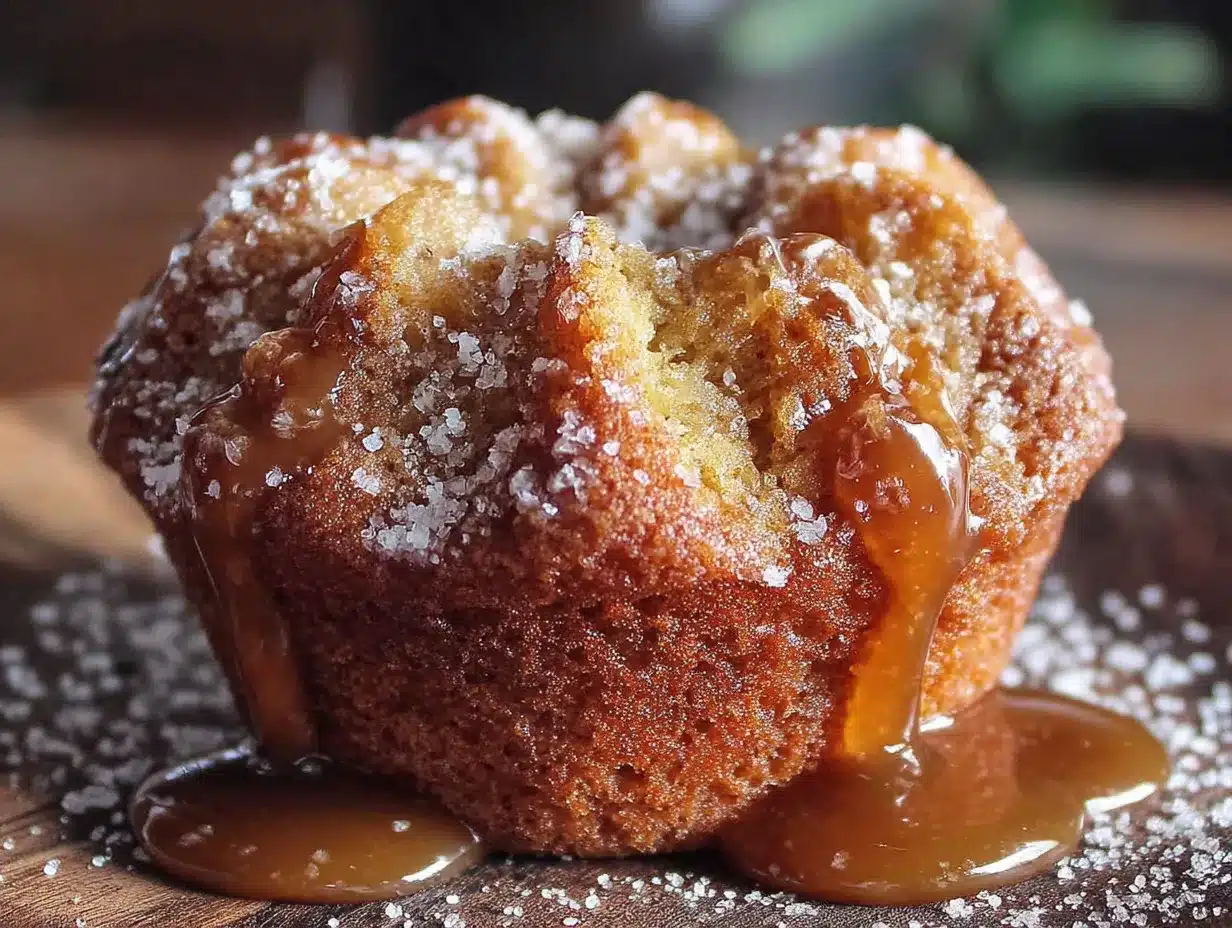
Let’s get baking. I’ve broken this down step by step so you can follow along easily. The whole process takes about 30 minutes from start to finish.
- Preheat your oven to 375°F (190°C). Position the rack in the center of the oven. Line your muffin tin with paper liners or grease it well with butter or cooking spray.
- Reduce the apple cider. Pour the 1 cup of apple cider into a small saucepan. Bring it to a boil over medium-high heat, then reduce the heat to medium-low and let it simmer. You want it to reduce down to about ¼ cup. This takes about 8-10 minutes. Keep an eye on it — it can bubble over if you walk away. When it’s done, it should be syrupy and smell intensely of apples. Set it aside to cool slightly while you prepare the rest.
- Mix the dry ingredients. In a large bowl, whisk together the flour, granulated sugar, brown sugar, baking powder, baking soda, cinnamon, nutmeg, and salt. Make sure everything is well combined — you don’t want pockets of baking powder in your muffins.
- Mix the wet ingredients. In a separate medium bowl, whisk together the melted butter, vegetable oil, egg, vanilla extract, and buttermilk. Add the reduced apple cider and whisk until smooth. The mixture should be a uniform golden color.
- Combine wet and dry ingredients. Pour the wet ingredients into the dry ingredients. Use a rubber spatula to fold everything together gently. Stir just until you no longer see streaks of flour — about 12-15 strokes. A few small lumps are fine. Overmixing will make your muffins tough, so resist the urge to keep stirring.
- Fill the muffin cups. Divide the batter evenly among the 12 muffin cups. Each cup should be about ¾ full. A cookie scoop makes this step quick and mess-free. If you don’t have one, use two spoons.
- Bake. Place the muffin tin in the preheated oven and bake for 13-15 minutes. The muffins are done when the tops are golden brown and a toothpick inserted into the center of a muffin comes out clean or with a few moist crumbs. My oven runs hot, so I start checking at 12 minutes.
- Prepare the cinnamon-sugar coating. While the muffins bake, mix together ⅓ cup granulated sugar and 1 tablespoon ground cinnamon in a shallow bowl. Melt ⅓ cup of butter in a separate small bowl.
- Coat the muffins. Let the muffins cool in the pan for 2 minutes — just long enough that you can handle them without burning your fingers. Working one at a time, remove a muffin from the tin, brush it all over with melted butter (or dip the top in the butter), then roll it in the cinnamon-sugar mixture until fully coated. Place the coated muffins on a cooling rack.
- Serve warm or at room temperature. The muffins are best within a few hours of baking, but they’re still delicious the next day.
A quick note: the coating step is important. Don’t skip it or try to sprinkle the sugar on top — rolling the warm muffins in the cinnamon sugar after brushing them with butter is what gives them that authentic donut-like crust. It’s worth the extra minute.
Cooking Tips & Techniques
After making these muffins more times than I care to count, I’ve learned a few things that make the process smoother and the results more consistent. Here are my best tips:
Don’t skip reducing the cider. I know it’s an extra step, and on a busy morning you might be tempted to just pour the cider straight in. Don’t. The reduced cider is what gives these muffins their intense apple flavor. Without it, they’ll taste more like a plain muffin with a hint of apple. The reduction also adds natural sweetness, which means you can use less sugar in the batter.
Watch your oven temperature. Ovens vary wildly. I burned my first batch because my old oven ran 25 degrees hotter than the dial said. An oven thermometer is a cheap investment that pays off. If your muffins are browning too quickly on top but still raw in the middle, tent them loosely with foil for the last few minutes of baking.
Room temperature ingredients matter. I know, I know — who has time to let butter and eggs sit out? But cold ingredients don’t emulsify as well, which can lead to dense muffins. If you’re in a hurry, place your egg in a bowl of warm water for 5 minutes and warm your buttermilk in the microwave for 10-15 seconds.
My biggest failure with this recipe happened when I tried to double it and bake it in a 9×13 pan instead of a muffin tin. The edges were dry and the center was undercooked. Learn from my mistake — stick with the muffin tin for the best texture.
For the fluffiest muffins, let the batter rest for 5 minutes after mixing before scooping it into the tins. This allows the flour to fully hydrate and the baking powder to start working. It’s a small step that makes a noticeable difference.
Multitasking tip: While the cider is reducing, measure out your dry ingredients. While the muffins are baking, prepare your cinnamon-sugar mixture and melt your butter. This way, everything is ready to go when the muffins come out of the oven, and you can coat them while they’re still warm.
Variations & Adaptations
One of the things I love about this recipe is how adaptable it is. Here are some variations I’ve tried and loved:
Gluten-Free Version: Substitute the all-purpose flour with a 1:1 gluten-free baking flour blend. I’ve had good results with Bob’s Red Mill Gluten-Free 1-to-1 Baking Flour. The texture is slightly more delicate, so handle the muffins gently when coating them. Add an extra tablespoon of buttermilk to compensate for the drier gluten-free flour.
Dairy-Free Version: Use melted coconut oil or a dairy-free butter substitute in place of the butter. For the buttermilk, add ½ tablespoon of lemon juice to unsweetened almond milk or oat milk and let it sit for 5 minutes. The dairy-free version is slightly less tender but still delicious.
Apple Cider Donut Cake: Pour the batter into a greased 9-inch round cake pan and bake for 20-25 minutes. Brush the top with melted butter and sprinkle with cinnamon sugar. This is perfect for when you want the flavor without the individual muffin effort.
Spiced Variation: Add ¼ teaspoon of ground ginger and ⅛ teaspoon of ground cloves to the dry ingredients. This gives the muffins a more complex, chai-like spice profile that’s wonderful on a cold morning.
Caramel Apple Version: After filling the muffin cups, press a small piece of soft caramel candy into the center of each muffin. The caramel melts as the muffins bake, creating a gooey surprise in the middle. Just make sure the caramel is fully enclosed by batter so it doesn’t stick to the pan.
Whole Wheat Option: Replace half of the all-purpose flour with whole wheat pastry flour. This adds a nutty flavor and a bit more fiber without making the muffins too dense. You might need to add an extra tablespoon of buttermilk to keep them moist.
I’ve tried the spiced variation on a rainy Sunday morning when I wanted something extra cozy, and it’s become my second-favorite way to make these. The ginger adds a little warmth that cuts through the sweetness perfectly.
Serving & Storage Suggestions
These muffins are best served warm, right after they’ve been coated in cinnamon sugar. The contrast between the warm, tender interior and the crisp, sugary exterior is at its peak within the first hour. That said, they’re still wonderful at room temperature — perfect for packing in lunches or grabbing on your way out the door.
For a cozy fall breakfast, serve these muffins alongside a hot mug of spiced chai or a pumpkin spice latte. They also pair beautifully with a simple apple cider or a cup of strong black coffee. If you’re feeling indulgent, warm a muffin for 10 seconds in the microwave and top it with a dollop of vanilla ice cream for an easy dessert.
Storage: Store leftover muffins in an airtight container at room temperature for up to 3 days. Place a paper towel at the bottom of the container to absorb excess moisture, and another paper towel on top. This prevents the muffins from getting soggy while keeping them soft.
Freezing: These muffins freeze beautifully. Place the cooled, coated muffins in a single layer on a baking sheet and freeze for 1 hour. Once frozen solid, transfer them to a freezer-safe bag or container. They’ll keep for up to 3 months. To thaw, leave them at room temperature for about 30 minutes, or microwave for 15-20 seconds.
Reheating: For that just-baked experience, warm a muffin in a 350°F oven for 5 minutes. This re-crisps the sugar coating. The microwave works in a pinch, but the coating will soften. If you’re reheating from frozen, add an extra 2-3 minutes in the oven.
One thing I’ve noticed: the cinnamon-sugar coating tends to absorb into the muffins after a day or two. If you’re planning to serve them later, you can refresh the coating by brushing the muffins with a little more melted butter and rolling them in fresh cinnamon sugar before serving.
Nutritional Information & Benefits
Here’s the estimated nutritional breakdown for one muffin (based on 12 muffins):
| Nutrient | Amount per Muffin |
|---|---|
| Calories | 245 |
| Total Fat | 12g |
| Saturated Fat | 6g |
| Cholesterol | 45mg |
| Sodium | 210mg |
| Total Carbohydrates | 32g |
| Dietary Fiber | 1g |
| Sugars | 19g |
| Protein | 3g |
While these are definitely a treat, there are some bright spots. The apple cider provides a small amount of vitamin C and antioxidants. Using a mix of butter and oil keeps the saturated fat lower than if you used all butter. And the buttermilk adds calcium and a little protein to help balance the sugar rush.
If you’re watching your sugar intake, you can reduce the sugar in the batter to ⅓ cup without significantly affecting the texture. The cinnamon-sugar coating is harder to reduce since it’s what gives the muffins their donut-like character, but you can use a lighter hand when rolling them.
These muffins are not gluten-free or dairy-free as written, but I’ve included substitution options above. They contain wheat, dairy, and eggs, so keep that in mind if you’re baking for someone with allergies.
I like to think of these as a special occasion breakfast or a weekend treat. They’re not an everyday muffin, but they’re absolutely worth making when you want something that feels indulgent without requiring a trip to the bakery.
Conclusion
These easy apple cider donut muffins are proof that sometimes the best recipes come from happy accidents. What started as a distracted mistake in my kitchen turned into a recipe I reach for every fall — and honestly, all year round when I’m craving that orchard flavor. They’re quick enough for a weekday morning but special enough for a holiday brunch. The reduced apple cider gives them an intensity of flavor that’s hard to believe came from just 30 minutes of work.
I hope you’ll try these and make them your own. Maybe you’ll add extra spices, or try the caramel version, or discover a variation I haven’t thought of yet. That’s the beauty of a simple recipe — there’s room to play. If you make these, I’d love to hear how they turned out. Drop a comment below and let me know if your kitchen also smells like October right now.
Happy baking, and remember — the best recipes don’t always go according to plan. Sometimes the ones that go wrong end up being the ones you keep coming back to.
Frequently Asked Questions
Can I use apple juice instead of apple cider?
You can, but the flavor won’t be as intense. Apple juice is thinner and less concentrated than cider, so you won’t get that same rich apple taste even after reducing it. If apple juice is all you have, consider adding a pinch of apple pie spice to the batter to boost the apple flavor.
Why did my muffins turn out dense?
The most common reason is overmixing the batter. When you overmix, you develop the gluten in the flour, which makes muffins tough instead of tender. Stir just until the flour disappears — a few lumps are perfectly fine. Another culprit could be expired baking powder. Check the date on yours before you start.
Can I make these without a muffin tin?
Absolutely. You can bake the batter in a greased 9-inch round cake pan for about 20-25 minutes, or in a mini loaf pan for about 18-20 minutes. Just adjust the baking time and check for doneness with a toothpick. The texture will be slightly different, but the flavor will still be there.
How do I keep the cinnamon-sugar coating from getting soggy?
The key is to coat the muffins while they’re still warm but not hot. If they’re too hot, the butter will soak in completely and the sugar won’t stick as well. Let them cool in the pan for exactly 2 minutes, then brush with butter and roll in the sugar. For longer storage, keep the muffins and the cinnamon-sugar separate, and coat them just before serving.
Can I double this recipe?
Yes, this recipe doubles beautifully. Just make sure you have two muffin tins or bake in batches. If you’re baking in batches, keep the remaining batter at room temperature — don’t refrigerate it, or the baking powder won’t work as well. Also, be careful not to overfill the cups; ¾ full is the sweet spot.
Pin This Recipe!
Easy Apple Cider Donut Muffins Ready in 30 Minutes

These apple cider donut muffins are a happy accident turned into a beloved fall recipe. They capture the warm, spiced flavor of orchard donuts without the deep fryer, ready in just 30 minutes.
- Prep Time: 15 minutes
- Cook Time: 15 minutes
- Total Time: 30 minutes
- Yield: 12 muffins 1x
- Category: Breakfast, Dessert
- Cuisine: American
Ingredients
- 1 cup (240 ml) apple cider
- 1 ¾ cups (220 g) all-purpose flour
- ½ cup (100 g) granulated sugar (for batter)
- ⅓ cup (65 g) granulated sugar (for coating)
- ¼ cup (50 g) light brown sugar, packed
- 1 ½ teaspoons baking powder
- ½ teaspoon baking soda
- 1 ½ teaspoons ground cinnamon (for batter)
- 1 tablespoon ground cinnamon (for coating)
- ½ teaspoon ground nutmeg
- ½ teaspoon salt
- 6 tablespoons (85 g) unsalted butter, melted and slightly cooled
- ¼ cup (60 ml) vegetable oil
- 1 large egg, at room temperature
- 1 teaspoon vanilla extract
- ½ cup (120 ml) buttermilk, at room temperature
- ⅓ cup melted butter (for coating)
Instructions
- Preheat your oven to 375°F (190°C). Position the rack in the center. Line a 12-cup muffin tin with paper liners or grease well.
- Reduce the apple cider: Pour 1 cup apple cider into a small saucepan. Bring to a boil over medium-high heat, then reduce to medium-low and simmer until reduced to about ¼ cup (8-10 minutes). Set aside to cool slightly.
- In a large bowl, whisk together flour, ½ cup granulated sugar, brown sugar, baking powder, baking soda, 1½ teaspoons cinnamon, nutmeg, and salt.
- In a separate medium bowl, whisk together melted butter, vegetable oil, egg, vanilla extract, and buttermilk. Add the reduced apple cider and whisk until smooth.
- Pour the wet ingredients into the dry ingredients. Fold gently with a rubber spatula until just combined (12-15 strokes). A few lumps are fine; do not overmix.
- Divide the batter evenly among the 12 muffin cups, filling each about ¾ full.
- Bake for 13-15 minutes, until tops are golden and a toothpick inserted into the center comes out clean or with a few moist crumbs.
- While muffins bake, prepare the coating: mix ⅓ cup granulated sugar with 1 tablespoon cinnamon in a shallow bowl. Melt ⅓ cup butter in another small bowl.
- Let muffins cool in the pan for 2 minutes. Working one at a time, remove a muffin, brush all over with melted butter (or dip the top), then roll in cinnamon-sugar mixture until fully coated. Place on a cooling rack.
- Serve warm or at room temperature. Best within a few hours of baking.
Notes
Don’t skip reducing the cider—it concentrates the apple flavor. Room temperature ingredients ensure better emulsification. For fluffier muffins, let the batter rest 5 minutes before scooping. The coating step is essential for the donut-like crust.
Nutrition
- Serving Size: 1 muffin
- Calories: 245
- Sugar: 19
- Sodium: 210
- Fat: 12
- Saturated Fat: 6
- Carbohydrates: 32
- Fiber: 1
- Protein: 3
Keywords: apple cider donut muffins, fall muffins, easy muffin recipe, 30 minute muffins, cinnamon sugar muffins