I did not trust brown butter in a muffin. The whole concept felt fussy—like something a food magazine would push to make a simple thing seem fancy. I’d burned butter before, more than once, and the smell of scorched milk solids is not the cozy vibe you want on a Saturday morning. But then I found myself staring down a half-gallon of fresh apple cider from the orchard, and the internet kept whispering about reducing it down, concentrating all that tangy sweetness into something almost syrupy. So I took a breath, grabbed my lightest-colored pan, and decided to give the brown butter thing one real shot. No distractions, no multitasking—just me and that butter, watching it like a hawk.
And you know what happened? It started to smell like toasted hazelnuts and caramel, and I felt a little silly for being so dramatic about it. I poured the liquid gold into the mixing bowl and the batter came together in a way that felt different—more complex, somehow. When those muffins came out of the oven, domed and smelling like a fall candle factory, I knew I’d been wrong. The brown butter didn’t just make them taste good; it made them taste like something you’d pay too much for at a fancy bakery. The apple cider reduction worked its magic too, keeping the crumb impossibly tender. I pulled one apart while it was still warm, watched the steam curl up, and took a bite that made me actually pause. That’s the moment the recipe stuck.
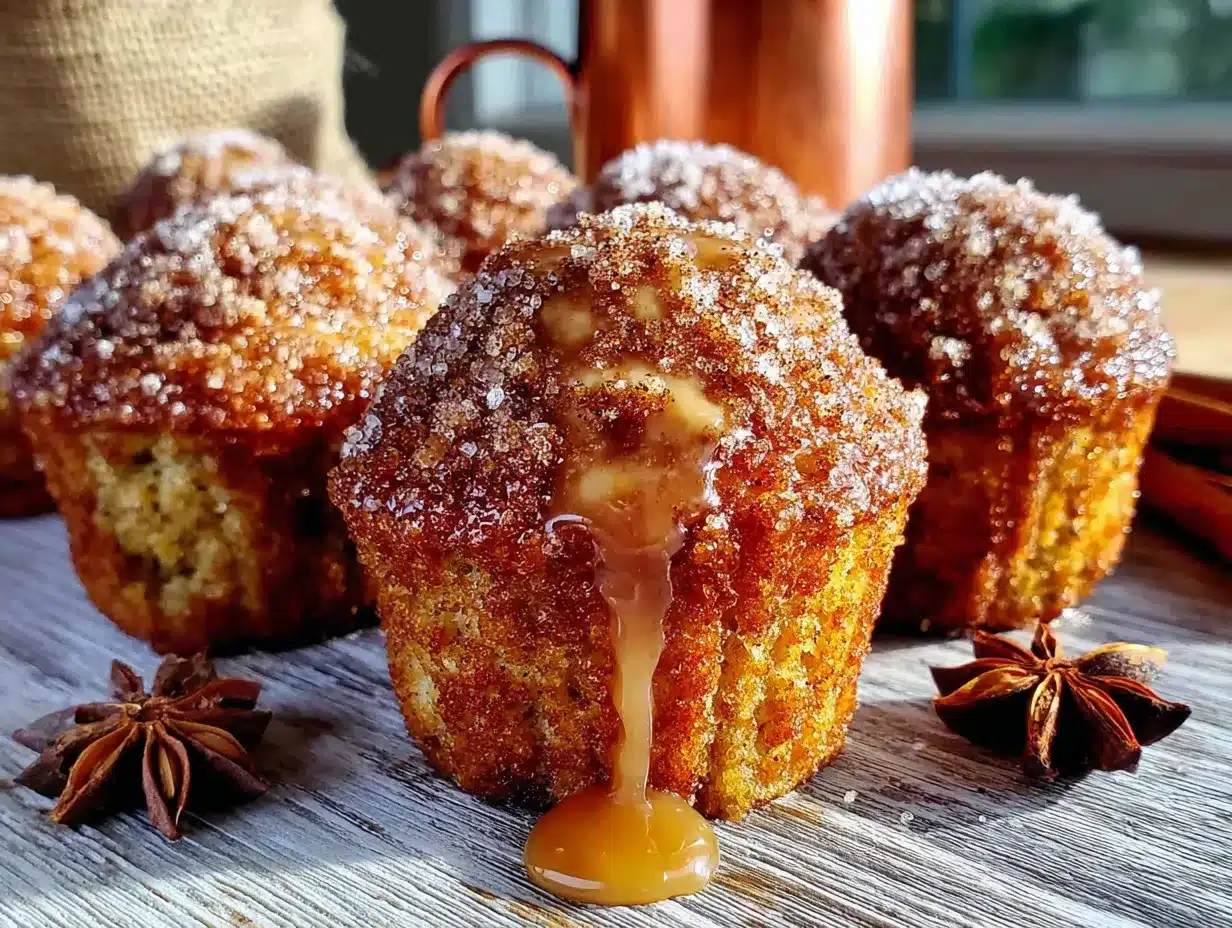
These are the muffins you make when you want the house to smell like October but you don’t want to stand over a pot of oil for donuts. They have that signature cinnamon-sugar coating on top, the kind that gets all over your fingers, and a texture that somehow bridges the gap between a fluffy muffin and a cake donut. They’re not trying to be anything they’re not. They’re just really, really good.
Why You’ll Love This Recipe
I have tested this recipe four times to get the texture exactly right. The first batch was too dense. The second was too sweet. The third was the closest, but I wanted more of that apple cider tang. By the fourth batch, I had it dialed in, and I promise you, these are worth every bit of effort.
- Quick & Easy: From start to finish, you’re looking at about 35 minutes. That includes the time it takes to brown the butter and reduce the cider. No yeast, no rising time, no complicated techniques.
- Simple Ingredients: Butter, apple cider, flour, sugar, eggs, and some warm spices. You probably have most of this in your kitchen right now, minus the cider maybe.
- Perfect for Fall Mornings: These muffins were made for crisp October weekends, apple picking trips, or that first truly cold morning when you need something warm in your hands.
- Crowd-Pleaser: I brought a batch to a pumpkin carving party and they disappeared before the first jack-o-lantern was finished. Kids and adults both went back for seconds.
- Unbelievably Delicious: The brown butter adds a nutty depth that regular butter just can’t touch. Combined with the concentrated apple cider, it creates a flavor that tastes like you spent hours on it when you really didn’t.
What makes this recipe different from the dozens of other apple cider muffin recipes out there is the double hit of apple flavor. Most recipes just use apple cider straight from the jug, which gives you a hint of apple at best. By reducing the cider first, you concentrate the flavor and remove some of the water, which also helps the texture. And the brown butter? That’s the secret weapon that takes these from good to memorable. This isn’t just another muffin recipe—it’s the one you’ll come back to every fall.
What Ingredients You Will Need
This recipe uses straightforward ingredients, but a few of them need a little extra attention to get the best results. I’ve included notes on what to look for and what you can swap if needed.
- 1 cup unsalted butter (2 sticks) — Use unsalted so you control the salt level. I prefer Kerrygold for its higher fat content, which browns beautifully and adds extra richness. Cut it into tablespoons for even melting.
- 1 cup fresh apple cider (not apple juice) — Look for unfiltered cider if you can find it. It has more body and a tangier flavor. Avoid anything labeled “apple juice” or “apple drink” since those lack the acidity that makes these muffins work.
- 2 ½ cups all-purpose flour — Spoon and level your flour. Scooping directly from the bag packs it down and gives you too much flour, which leads to dry muffins.
- 1 cup granulated sugar — Regular white sugar works perfectly here. It helps create that tender crumb and balances the tangy cider.
- ½ cup light brown sugar, packed — Adds moisture and a hint of molasses flavor that pairs beautifully with the brown butter. Dark brown sugar works too if that’s what you have.
- 2 large eggs, room temperature — Cold eggs seize up the brown butter. Let them sit on the counter for 30 minutes, or place them in a bowl of warm water for 5 minutes.
- 1 cup whole milk, room temperature — Whole milk gives the richest texture, but 2% works fine. Do not use skim milk; the muffins will be noticeably less tender.
- 1 teaspoon vanilla extract — Pure vanilla extract is worth the splurge here. It rounds out the warm flavors.
- 2 teaspoons baking powder — Make sure it’s fresh. Baking powder loses its potency after about six months. If it doesn’t fizz when you drop it in water, get a new can.
- ½ teaspoon baking soda — Balances the acidity of the reduced apple cider.
- 1 teaspoon ground cinnamon — The backbone of the spice blend. I use Vietnamese cinnamon for its stronger, sweeter flavor.
- ½ teaspoon ground nutmeg — Freshly grated is ideal, but pre-ground works. Just replace it every few months for the best flavor.
- ¼ teaspoon ground cloves — A little goes a long way. Too much clove can make the muffins taste medicinal.
- ½ teaspoon salt — Fine sea salt or table salt. It balances the sweetness and enhances the brown butter flavor.
For the Cinnamon Sugar Coating:
- ¼ cup unsalted butter, melted — For dipping the warm muffins.
- ½ cup granulated sugar — Mixed with the cinnamon for that classic donut coating.
- 1 tablespoon ground cinnamon — Adjust to your preference. I like a heavy coating, but you can use less if you prefer a lighter hand.
Equipment Needed
You don’t need anything fancy for these muffins, but a few specific tools make the process smoother.
- 12-cup standard muffin tin — A light-colored metal pan works best. Dark pans absorb more heat and can over-brown the bottoms. If that’s all you have, reduce the oven temperature by 25°F.
- Paper muffin liners — I prefer unbleached parchment liners. They peel off cleanly and don’t stick. You can grease the pan directly if you prefer, but the liners make cleanup much easier.
- Small saucepan — For browning the butter. A light-colored pan is ideal because you can see the milk solids turn amber. A dark nonstick pan makes it harder to judge the color.
- Medium saucepan — For reducing the apple cider. A wider pan works faster since more surface area means quicker evaporation.
- Large mixing bowl — For the dry ingredients.
- Medium mixing bowl — For the wet ingredients.
- Whisk — For mixing the batter. A wooden spoon works too, but a whisk incorporates everything more evenly.
- Cooling rack — Essential for letting the muffins cool properly. If you leave them in the pan, the bottoms get soggy.
- Pastry brush — For brushing the melted butter onto the muffins. A silicone brush works well and is easy to clean.
- Pie plate or shallow bowl — For the cinnamon sugar mixture. Something wide enough to roll the muffins around in.
If you don’t have a pastry brush, you can dip the tops of the muffins directly into the melted butter. It’s messier but works just as well. And if you don’t have a cooling rack, you can use the inverted base of a sheet pan, but the muffins need more time to cool completely.
Preparation Method
Take your time with the first two steps. They set the foundation for everything else, and rushing them is the most common mistake people make.
- Reduce the apple cider. Pour 1 cup of apple cider into a medium saucepan. Bring it to a boil over medium-high heat, then reduce the heat to medium-low so it simmers gently. Let it cook for 12 to 15 minutes, stirring occasionally, until it reduces to about ¼ cup. It should look syrupy and smell intensely of apples. Watch it carefully toward the end—it can go from perfect to burnt very quickly. Pour it into a small bowl and let it cool while you work on the butter.
- Brown the butter. Place 1 cup of unsalted butter in a small saucepan over medium heat. Stir constantly with a whisk or spatula as the butter melts. It will foam up, then the foam will subside, and you’ll see little brown specks forming at the bottom of the pan. This takes about 5 to 7 minutes total. The second the butter smells nutty and the specks turn golden brown, remove it from the heat immediately. Pour it into a heatproof bowl, including all those brown bits. Let it cool for 10 minutes. Do not skip the cooling step—hot butter will cook your eggs.
- Preheat the oven to 375°F (190°C). Line a 12-cup muffin tin with paper liners. This temperature gives you a nice golden dome without burning the bottoms.
- Whisk the dry ingredients. In a large bowl, combine 2 ½ cups all-purpose flour, 2 teaspoons baking powder, ½ teaspoon baking soda, 1 teaspoon cinnamon, ½ teaspoon nutmeg, ¼ teaspoon cloves, and ½ teaspoon salt. Whisk until everything is evenly distributed. Set aside.
- Mix the wet ingredients. In a medium bowl, whisk together the cooled brown butter, 1 cup granulated sugar, and ½ cup packed light brown sugar until smooth. Add 2 large eggs, one at a time, whisking well after each addition. Stir in 1 teaspoon vanilla extract. Add the cooled reduced apple cider and 1 cup whole milk, and whisk until combined. The mixture should look smooth and slightly thickened.
- Combine wet and dry. Pour the wet ingredients into the dry ingredients. Use a rubber spatula to fold everything together gently. Stop mixing as soon as you no longer see streaks of flour. A few small lumps are perfectly fine. Overmixing develops gluten and makes the muffins tough, so be gentle here.
- Fill the muffin cups. Divide the batter evenly among the 12 muffin cups. Each cup should be about three-quarters full. Use a cookie scoop or a measuring cup for even portions. If you want taller muffin tops, fill them slightly fuller—just be careful they don’t overflow.
- Bake for 18 to 22 minutes. Rotate the pan halfway through for even browning. The muffins are done when a toothpick inserted into the center comes out clean or with just a few moist crumbs. The tops should be golden brown and spring back when you gently press them.
- Cool briefly. Let the muffins rest in the pan for 5 minutes. This allows them to set so they don’t fall apart when you remove them. Then transfer them to a cooling rack.
- Prepare the coating. While the muffins are still warm but not hot, melt ¼ cup unsalted butter in a small bowl. In a separate shallow dish, whisk together ½ cup granulated sugar and 1 tablespoon cinnamon.
- Coat the muffins. Working one at a time, brush the top and sides of each warm muffin with melted butter. Roll the buttered muffin in the cinnamon sugar mixture, pressing gently so the coating sticks. Place the coated muffins back on the cooling rack. Repeat with all 12 muffins.
The coating step is where the magic happens. The warm butter soaks into the muffin slightly, and the cinnamon sugar creates that crackly, sweet crust that makes these taste like donut holes. Don’t skip it even if you’re tempted.
Cooking Tips & Techniques
I have burned more butter than I care to admit. The first time I tried browning butter for a cookie recipe, I walked away to check my phone and came back to a pan full of black specks that smelled like burnt popcorn. The trick is to use a light-colored pan so you can actually see what’s happening, and never, ever leave the stove while the butter is melting. Stir constantly and watch for that moment when the foam clears and the milk solids turn amber. It happens fast—like, blink-and-you-miss-it fast. Have your heatproof bowl ready to go so you can pour the butter out the second it’s done.
The same vigilance applies to reducing the apple cider. It bubbles vigorously at first, then settles into a slower simmer. Toward the end, the bubbles get smaller and tighter, and the liquid starts to look syrupy. That’s your cue to start watching closely. I usually start checking it at the 10-minute mark by tilting the pan to see how much liquid is left. If you reduce it too far, you’ll end up with apple caramel that hardens into a sticky mess. It’s still delicious, but it won’t mix into the batter properly.
For the best texture, make sure your eggs and milk are at room temperature. Cold ingredients seize the brown butter and create a lumpy batter that bakes unevenly. If you forgot to take them out of the fridge, place the eggs in a bowl of warm water for 5 minutes and microwave the milk for 15 seconds. It’s not ideal, but it works in a pinch.
If you want consistently sized muffins, use a spring-loaded cookie scoop to portion the batter. I use a #20 scoop, which holds about 3 tablespoons. It gives you exactly 12 even muffins every time. No more fighting over who got the biggest one.
One more thing—let the muffins cool for the full 5 minutes in the pan before you try to remove them. I know it’s hard to wait, especially when your kitchen smells like a fall bakery, but if you rush this step, the muffins will stick to the liners or fall apart when you try to coat them. Patience pays off here.
Variations & Adaptations
These muffins are forgiving, and I have messed around with them more times than I can count. Here are a few variations that actually work.
Gluten-Free Version: Substitute the all-purpose flour with a 1:1 gluten-free baking flour that contains xanthan gum. I’ve had good results with King Arthur Measure for Measure flour. The texture is slightly more delicate, so handle the muffins gently when coating them. Bake for the same amount of time, but check them a minute or two earlier since gluten-free batters sometimes bake faster.
Dairy-Free Version: Use a high-quality vegan butter stick for the brown butter. Miyoko’s and Country Crock Plant Butter both brown reasonably well, though they won’t get quite as nutty as dairy butter. Replace the whole milk with oat milk or full-fat canned coconut milk. Oat milk gives the closest texture to whole milk. Avoid almond milk—it’s too thin and makes the muffins dense.
Apple Cider Donut Muffin Tops: If you have a muffin top pan, you can make these as flat, crispy-edged tops instead of domed muffins. Reduce the baking time to 12 to 14 minutes. They’re perfect for people who love the crispy edges of muffins more than the soft center.
Spiced Maple Variation: Replace the granulated sugar in the batter with maple sugar, and add 2 tablespoons of pure maple syrup to the wet ingredients. The maple flavor pairs beautifully with the brown butter and apple cider. Reduce the cinnamon to ¾ teaspoon to let the maple shine through.
Add-In Options: Fold in ½ cup of finely diced fresh apple (Honeycrisp or Fuji work best) for little pockets of fruit in every bite. Or add ½ cup of toasted pecans or walnuts for crunch. If you’re feeling indulgent, stir in ½ cup of white chocolate chips—they melt into sweet pockets that contrast nicely with the tangy cider.
I tried a version with chopped dried apples once, and honestly, it was not great. The dried apples rehydrated unevenly and created chewy, almost leathery bits that threw off the texture. Stick with fresh apples or nuts if you want to add something extra.
Serving & Storage Suggestions
These muffins are at their absolute best the day they’re made, still slightly warm from the oven. The cinnamon sugar coating stays crisp, the crumb is tender, and the brown butter flavor is most pronounced. Serve them with a hot cup of coffee or a mug of spiced chai for the full fall experience. If you want to go all out, warm them for 10 seconds in the microwave and serve with a pat of salted butter on top.
For a fun brunch spread, arrange the muffins on a wooden board alongside a bowl of homemade pumpkin spice syrup for drizzling, some fresh apple slices, and a pile of crispy bacon. The salty-sweet combo is unbeatable. They also pair beautifully with a cozy slow-roasted tomato soup for a cozy fall lunch that feels like a hug in a bowl.
To store leftovers, place the muffins in an airtight container at room temperature. They’ll stay fresh for up to 3 days, though the coating will soften after the first day. If you want to keep that crunchy coating, store them uncovered on the counter for no more than 24 hours. After that, the texture changes no matter what you do.
These muffins freeze beautifully. Place the cooled, uncoated muffins on a baking sheet and freeze for 1 hour until firm. Transfer them to a freezer-safe bag or container and freeze for up to 3 months. When you’re ready to eat them, thaw at room temperature for about 30 minutes, then warm in a 300°F oven for 5 to 7 minutes. Brush with melted butter and coat with cinnamon sugar after reheating for the freshest taste. If you coat them before freezing, the sugar gets absorbed into the muffin and loses its crunch.
The flavors actually deepen after a day or two. The brown butter and apple cider meld together, and the spices become more pronounced. I honestly prefer them on day two for the flavor, even though the texture is slightly softer. It’s a trade-off worth making.
Nutritional Information & Benefits
Let’s be real—these are not health muffins. They’re a treat, and they should be enjoyed as such. But the ingredients do offer some redeeming qualities worth noting.
| Nutrient | Per Muffin (approximate) |
|---|---|
| Calories | 385 |
| Total Fat | 20g |
| Saturated Fat | 12g |
| Cholesterol | 75mg |
| Sodium | 280mg |
| Total Carbohydrates | 48g |
| Dietary Fiber | 1g |
| Sugars | 30g |
| Protein | 5g |
Apple cider contains antioxidants called polyphenols, which help fight inflammation in the body. Cinnamon has been studied for its ability to help regulate blood sugar levels, and nutmeg contains compounds that may support digestive health. The brown butter, while high in saturated fat, adds a richness that means one muffin is genuinely satisfying—you’re less likely to reach for a second than you would with a lighter, less flavorful muffin.
These muffins are not gluten-free, dairy-free, or vegan as written, but I’ve included adaptations above for those dietary needs. They do contain eggs and dairy, so they’re not suitable for anyone with those allergies unless you make the substitutions.
My personal take? Have one muffin with your morning coffee and call it a win. They’re meant to be enjoyed, not analyzed. Life is too short to count every gram of sugar in a homemade muffin.
Conclusion
These brown butter apple cider donut muffins are the kind of recipe that earns a permanent spot in your fall rotation. They taste like everything good about October—crisp air, orchard trips, and warm kitchens—without requiring you to stand over a pot of hot oil or deal with yeast. The brown butter adds a depth of flavor that feels almost luxurious, and the reduced apple cider gives you that authentic tangy sweetness that makes apple cider donuts so irresistible.
I love that this recipe is forgiving enough for a beginner but impressive enough to bring to a gathering. You can customize it a dozen different ways, freeze it for later, and still have it come out perfectly every time. It’s the kind of recipe that makes you look like you know what you’re doing in the kitchen, even on days when you’re just winging it.
If you make these muffins, I want to hear about it. Leave a comment below and tell me how they turned out, what variations you tried, or if you burned your butter on the first attempt like I did. Sharing your wins and your fails makes this whole cooking thing more fun. And if you’re looking for more cozy fall baking, don’t miss our ultimate pumpkin cream cheese streusel muffins or our soft pumpkin chocolate chip cookies with sea salt for more seasonal inspiration.
Go make some muffins. Your kitchen is about to smell incredible.
Frequently Asked Questions
Can I use apple juice instead of apple cider?
Technically yes, but the result won’t be the same. Apple juice lacks the acidity and tangy flavor that apple cider brings. The muffins will be sweeter and less complex. If apple juice is all you have, add 1 teaspoon of lemon juice to the batter to mimic some of that acidity.
Why did my brown butter turn out bitter?
You cooked it too long. Brown butter goes from perfect to burnt very quickly. The milk solids should be golden amber, not dark brown. If you see black specks or smell a burnt, acrid odor, you’ve gone too far. Next time, remove the pan from the heat as soon as the foam clears and the solids turn light brown. Pour it into a cool bowl immediately to stop the cooking process.
Can I make these muffins ahead of time for a party?
Absolutely. Bake the muffins and let them cool completely without the coating. Store them in an airtight container at room temperature for up to 24 hours. When you’re ready to serve, reheat them in a 300°F oven for 5 minutes, then brush with melted butter and coat with cinnamon sugar. They’ll taste almost as fresh as the day you made them.
My muffins came out dry. What went wrong?
Most likely one of three things: you overmixed the batter, you overbaked the muffins, or you used too much flour. Spoon and level your flour instead of scooping directly from the bag. Mix the batter only until the flour disappears. And start checking the muffins at 18 minutes—every oven runs differently, and overbaking by even 2 minutes can dry them out.
Can I double this recipe?
Yes, but do not double the brown butter or reduced cider steps. Brown butter twice the amount takes significantly longer and is harder to control. Reduce the cider in two separate batches if you need more. And if you’re doubling the batter, bake it in two separate batches rather than crowding the oven. The muffins bake more evenly when the oven isn’t packed full.
Pin This Recipe!

Cozy Brown Butter Apple Cider Donut Muffins: Easy Fall Recipe

These brown butter apple cider donut muffins taste like everything good about October—crisp air, orchard trips, and warm kitchens—without requiring you to stand over a pot of hot oil or deal with yeast. The brown butter adds a depth of flavor that feels almost luxurious, and the reduced apple cider gives you that authentic tangy sweetness that makes apple cider donuts so irresistible.
- Prep Time: 15 minutes
- Cook Time: 20 minutes
- Total Time: 35 minutes
- Yield: 12 muffins 1x
- Category: Dessert
- Cuisine: American
Ingredients
- 1 cup unsalted butter (2 sticks)
- 1 cup fresh apple cider (not apple juice)
- 2 ½ cups all-purpose flour
- 1 cup granulated sugar
- ½ cup light brown sugar, packed
- 2 large eggs, room temperature
- 1 cup whole milk, room temperature
- 1 teaspoon vanilla extract
- 2 teaspoons baking powder
- ½ teaspoon baking soda
- 1 teaspoon ground cinnamon
- ½ teaspoon ground nutmeg
- ¼ teaspoon ground cloves
- ½ teaspoon salt
- ¼ cup unsalted butter, melted (for coating)
- ½ cup granulated sugar (for coating)
- 1 tablespoon ground cinnamon (for coating)
Instructions
- Reduce the apple cider: Pour 1 cup of apple cider into a medium saucepan. Bring it to a boil over medium-high heat, then reduce the heat to medium-low so it simmers gently. Let it cook for 12 to 15 minutes, stirring occasionally, until it reduces to about ¼ cup. It should look syrupy and smell intensely of apples. Pour it into a small bowl and let it cool while you work on the butter.
- Brown the butter: Place 1 cup of unsalted butter in a small saucepan over medium heat. Stir constantly with a whisk or spatula as the butter melts. It will foam up, then the foam will subside, and you’ll see little brown specks forming at the bottom of the pan. This takes about 5 to 7 minutes total. The second the butter smells nutty and the specks turn golden brown, remove it from the heat immediately. Pour it into a heatproof bowl, including all those brown bits. Let it cool for 10 minutes.
- Preheat the oven to 375°F (190°C). Line a 12-cup muffin tin with paper liners.
- Whisk the dry ingredients: In a large bowl, combine 2 ½ cups all-purpose flour, 2 teaspoons baking powder, ½ teaspoon baking soda, 1 teaspoon cinnamon, ½ teaspoon nutmeg, ¼ teaspoon cloves, and ½ teaspoon salt. Whisk until evenly distributed. Set aside.
- Mix the wet ingredients: In a medium bowl, whisk together the cooled brown butter, 1 cup granulated sugar, and ½ cup packed light brown sugar until smooth. Add 2 large eggs, one at a time, whisking well after each addition. Stir in 1 teaspoon vanilla extract. Add the cooled reduced apple cider and 1 cup whole milk, and whisk until combined. The mixture should look smooth and slightly thickened.
- Combine wet and dry: Pour the wet ingredients into the dry ingredients. Use a rubber spatula to fold everything together gently. Stop mixing as soon as you no longer see streaks of flour. A few small lumps are perfectly fine.
- Fill the muffin cups: Divide the batter evenly among the 12 muffin cups. Each cup should be about three-quarters full.
- Bake for 18 to 22 minutes. Rotate the pan halfway through for even browning. The muffins are done when a toothpick inserted into the center comes out clean or with just a few moist crumbs. The tops should be golden brown and spring back when gently pressed.
- Cool briefly: Let the muffins rest in the pan for 5 minutes. Then transfer them to a cooling rack.
- Prepare the coating: While the muffins are still warm but not hot, melt ¼ cup unsalted butter in a small bowl. In a separate shallow dish, whisk together ½ cup granulated sugar and 1 tablespoon cinnamon.
- Coat the muffins: Working one at a time, brush the top and sides of each warm muffin with melted butter. Roll the buttered muffin in the cinnamon sugar mixture, pressing gently so the coating sticks. Place the coated muffins back on the cooling rack. Repeat with all 12 muffins.
Notes
Take your time with browning the butter and reducing the cider—they set the foundation. Use a light-colored pan for browning butter to see the color change. Let eggs and milk come to room temperature to avoid seizing the brown butter. For best texture, do not overmix the batter. The coating step is essential for the crackly, sweet crust. Muffins are best the day they are made, but can be stored in an airtight container at room temperature for up to 3 days. Freeze uncoated muffins for up to 3 months.
Nutrition
- Serving Size: 1 muffin
- Calories: 385
- Sugar: 30
- Sodium: 280
- Fat: 20
- Saturated Fat: 12
- Carbohydrates: 48
- Fiber: 1
- Protein: 5
Keywords: brown butter, apple cider, donut muffins, fall recipe, cinnamon sugar, easy muffins