“Do you think elderflower really belongs in a cake?” my friend asked skeptically as I fumbled with the delicate pressed flowers on top of my latest baking adventure. Honestly, I wasn’t sure myself at first. I stumbled on the idea after a chaotic afternoon where nothing seemed to go right—burnt toast, spilled coffee, and a fridge full of random lemons. I grabbed a jar of elderflower cordial sitting in the back and thought, “Why not?” That impulsive mix turned into a surprisingly light, fragrant cake that somehow balanced the zing of lemon with the floral sweetness of elderflower. And those pressed flowers on top? They were my attempt to make the cake look as fresh and whimsical as it tasted, inspired by a quiet morning walk through a blooming garden.
After baking it a few times that week (yes, I really couldn’t stop), it became my go-to for celebrations or just when I needed a little calm with my tea. This elderflower and lemon layer cake is honestly one of those recipes that feels both special and just right for everyday sweetness. With each bite, you get that gentle floral note paired with bright citrus — it’s like spring wrapped up in cake form. The pressed flower decoration adds a touch of delicate beauty, making it perfect for those moments when you want to impress without fuss.
So, if you’ve ever wondered about combining elderflower and lemon or want a cake that’s as pretty as it is tasty, this recipe might just become your new favorite. It’s a quiet kind of joy, baked into layers and topped with a little garden magic.
Why You’ll Love This Recipe
After many tries and tweaks, this perfect elderflower and lemon layer cake has earned its spot in my baking rotation. Here’s why it stands out:
- Quick & Easy: You can whip this up in under 90 minutes — ideal for last-minute celebrations or a cozy weekend treat.
- Simple Ingredients: No need for specialty shops; elderflower cordial and fresh lemons are usually easy to find, and the rest are pantry staples.
- Perfect for Special Occasions: Whether it’s a garden party, bridal shower, or a quiet afternoon tea, this cake feels just right.
- Crowd-Pleaser: The floral and citrus combo always surprises and delights guests — even those who typically shy away from “fancy” flavors.
- Unbelievably Delicious: The moist crumb and light frosting with subtle elderflower notes make for a texture and flavor combo that’s honestly addictive.
What makes this cake truly different is the pressed flower decoration, which adds an elegant, natural charm without complicated icing techniques. Plus, the elderflower cordial is blended into both the cake and frosting, making the floral flavor consistent but never overpowering. It’s not just another lemon cake — it’s a fresh, fragrant treat that invites you to slow down and savor every bite.
So yes, this recipe isn’t just a crowd-pleaser; it’s the kind that makes you pause, close your eyes, and appreciate the little things — like a perfectly baked slice with a hint of garden sunshine.
What Ingredients You Will Need
This recipe calls for simple, wholesome ingredients that come together to create a bold flavor and tender texture without fuss. Most of these are pantry staples, with the elderflower cordial adding that special touch.
- For the Cake Layers:
- All-purpose flour (250g / 2 cups) – I prefer King Arthur for consistent texture
- Baking powder (2 tsp) – to give the cake a nice rise
- Salt (¼ tsp)
- Unsalted butter (113g / ½ cup), softened – for richness
- Granulated sugar (200g / 1 cup)
- Large eggs (3), room temperature – helps with fluffiness
- Whole milk (120ml / ½ cup), room temperature
- Elderflower cordial (60ml / ¼ cup) – adds the signature floral note
- Fresh lemon zest (from 2 lemons) – brightens the flavor
- Fresh lemon juice (30ml / 2 tbsp) – balances the sweetness
- For the Frosting:
- Unsalted butter (113g / ½ cup), softened
- Powdered sugar (320g / 2 ½ cups), sifted – for smooth frosting
- Cream cheese (113g / ½ cup), softened – adds a light tang
- Elderflower cordial (30ml / 2 tbsp)
- Fresh lemon juice (15ml / 1 tbsp)
- Vanilla extract (1 tsp)
- For the Pressed Flower Decoration:
- Edible flowers (such as pansies, violets, or calendula) – make sure they are pesticide-free and safe to eat
- Wax paper and a heavy book or flower press for pressing
If you want a dairy-free version, swap whole milk with almond or oat milk and use dairy-free butter and cream cheese alternatives. For gluten-free, almond or gluten-free flour blends work well but may slightly change the texture.
Equipment Needed
- Two 8-inch (20 cm) round cake pans – I like using non-stick pans for easier release
- Mixing bowls – at least two, medium and large
- Electric mixer or stand mixer – makes creaming butter and sugar a breeze
- Measuring cups and spoons – for precision
- Microplane or zester – to get fresh lemon zest finely grated
- Spatula and whisk – for folding and mixing
- Cooling racks – to cool cake layers evenly
- Offset spatula or butter knife – for frosting and smoothing layers
- Flower press or heavy books and wax paper – for safely pressing edible flowers
If you don’t have a flower press, pressing flowers between wax paper inside a thick book overnight works just as well. For budget-friendly pans, simple aluminum cake pans work fine, but non-stick ones help prevent crumbling. Keeping your butter at room temperature is key — I learned the hard way that cold butter just won’t cream properly.
Preparation Method
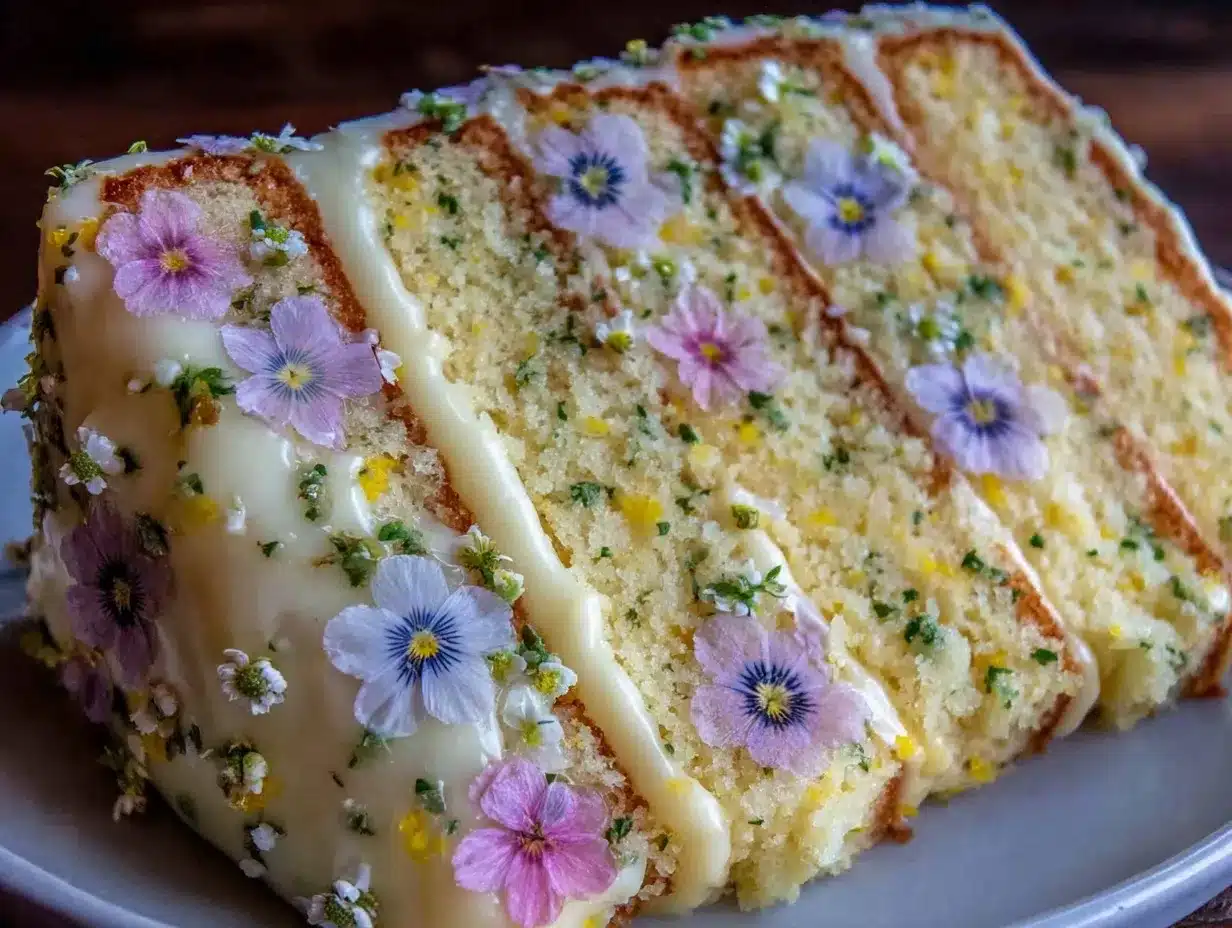
- Press the Flowers: Start by preparing your pressed flowers at least 24 hours ahead. Place edible flowers between sheets of wax paper and press inside a heavy book or flower press. This helps preserve their vibrant color and delicate shape.
- Preheat the Oven: Set your oven to 350°F (175°C). Grease and flour two 8-inch cake pans or line them with parchment paper.
- Mix Dry Ingredients: In a bowl, sift together 250g (2 cups) all-purpose flour, 2 tsp baking powder, and ¼ tsp salt. Set aside.
- Cream Butter and Sugar: In a large bowl, beat 113g (½ cup) softened butter with 200g (1 cup) sugar until light and fluffy, about 3-4 minutes. This step is crucial for a tender crumb.
- Add Eggs: Beat in the eggs one at a time, making sure each is fully incorporated before adding the next. This helps with structure and moisture.
- Combine Liquids: In a separate measuring cup, mix 120ml (½ cup) whole milk, 60ml (¼ cup) elderflower cordial, 30ml (2 tbsp) fresh lemon juice, and zest from 2 lemons.
- Alternate Adding Dry and Wet: Gradually add dry ingredients and liquid mixture to the butter mixture, starting and ending with dry ingredients. Stir gently after each addition to avoid overmixing — you want a smooth, thick batter.
- Divide and Bake: Pour batter evenly into prepared pans and smooth the tops. Bake for 25-30 minutes or until a toothpick inserted in the center comes out clean. Watch closely from 20 minutes on to avoid overbaking.
- Cool Layers: Let cakes cool in pans for 10 minutes, then turn out onto cooling racks. Cool completely before frosting.
- Prepare Frosting: Beat 113g (½ cup) softened butter with 113g (½ cup) cream cheese until smooth. Gradually add 320g (2 ½ cups) sifted powdered sugar, then mix in 30ml (2 tbsp) elderflower cordial, 15ml (1 tbsp) lemon juice, and 1 tsp vanilla extract until fluffy. Taste and adjust lemon or cordial if needed.
- Assemble Cake: Place one cake layer on your serving plate. Spread about a third of the frosting evenly on top. Add second layer and cover the top and sides with remaining frosting. Smooth with an offset spatula.
- Add Pressed Flowers: Gently place pressed flowers on the cake surface, arranging them in a pretty pattern. Handle with care — they are delicate!
- Chill and Serve: Refrigerate the cake for at least 30 minutes to set the frosting and help flowers adhere. Bring to room temperature before slicing for the best flavor and texture.
Pro tip: If your batter feels too thick, a splash more milk helps. Also, avoid overmixing once the flour is added — it keeps the crumb tender. If your flowers have any moisture, pat them dry carefully before placing on the cake to prevent wilting.
Cooking Tips & Techniques
Getting this elderflower and lemon layer cake just right took some trial and error, so here are some nuggets I picked up:
- Creaming Butter and Sugar: Don’t rush this step. It takes about 3-4 minutes of beating to incorporate enough air, which makes the cake light.
- Room Temperature Ingredients: Eggs, milk, and butter at room temp combine more evenly. Cold eggs or milk can cause the batter to curdle or bake unevenly.
- Measuring Flour Correctly: Spoon and level flour into your measuring cup rather than scooping directly. Too much flour can make your cake dry.
- Folding Gently: When mixing wet and dry ingredients, fold gently to avoid a dense cake.
- Pressed Flowers Handling: Press flowers at least a day ahead. Handling them with tweezers helps keep them intact when decorating.
- Frosting Consistency: If your frosting is too soft, chill it for 10-15 minutes before spreading. Too stiff? Add a tiny splash of milk.
- Multitasking: While the cakes bake, press your flowers or prep the frosting to save time.
One time, I overbaked the layers, and the cake was dry as a desert — lesson learned to stick to the timer and do the toothpick test! Also, watching how the frosting spreads makes a big difference; patience here yields a clean, elegant finish.
Variations & Adaptations
Want to mix things up? Here are some ideas I’ve tried and loved:
- Berry Burst: Add a layer of fresh raspberries or blueberries between the cake layers for a juicy surprise.
- Herb Infusion: Finely chop fresh mint or basil and add a teaspoon to the frosting for a subtle herbal twist.
- Gluten-Free: Substitute all-purpose flour with a gluten-free blend. The texture will be slightly different but still delicious.
- Vegan Version: Use flax eggs, dairy-free butter, and plant-based milk. Elderflower cordial remains the star.
- Alternate Citrus: Swap lemon zest and juice for lime or orange to vary the citrus profile.
Personally, I once swapped the frosting for a light elderflower whipped cream topping, which was a delightful change for summer gatherings. Also, if you prefer a single-layer cake, just halve the recipe and bake in a 9-inch pan, adjusting baking time accordingly.
Serving & Storage Suggestions
This cake is best enjoyed at room temperature, which lets the elderflower and lemon flavors bloom fully. Serve it with a cup of tea or light white wine for a refined touch. It pairs beautifully with simple accompaniments like fresh berries or a dollop of crème fraîche.
To store, cover the cake loosely with plastic wrap and refrigerate for up to 3 days. The frosting firms up nicely in the fridge, but bring it out 20 minutes before serving so it softens. For longer storage, you can freeze the unfrosted layers wrapped tightly in plastic and foil for up to 2 months — thaw overnight in the fridge before frosting.
Flavors meld and deepen slightly after a day, making leftovers even better. Just be gentle with the pressed flowers; if they get soggy, you can replace them with fresh ones or edible flower petals before serving.
Nutritional Information & Benefits
This elderflower and lemon layer cake offers a moderate calorie count typical of butter-based cakes, with approximately 350 calories per slice (1/12th of the cake). It contains about 15g fat, 45g carbohydrates, and 4g protein per serving.
Key ingredients like lemon provide vitamin C and antioxidants, while elderflower is traditionally known for its gentle anti-inflammatory properties (though used here mainly for flavor). Using real lemon zest and juice adds freshness and a natural boost without extra sugar.
For those watching dietary concerns, this recipe can be adapted gluten-free or dairy-free as mentioned, making it accessible for various diets. Keep in mind the cake contains eggs and dairy by default, so it’s not suitable for egg-allergic or strict vegan diets without modification.
Conclusion
This perfect elderflower and lemon layer cake is a recipe I keep coming back to whenever I want something that tastes like a little celebration but feels like a comforting hug. It’s simple enough for a weeknight treat yet elegant enough for special occasions. The pressed flower decoration adds a personal, handmade touch that never fails to impress without stress.
Feel free to tweak the flavors or decorations to suit your style — maybe try the herb variation or swap in fresh berries. Whatever you do, this cake’s gentle floral notes and bright citrus will bring a smile with every bite.
Give it a go, and I’d love to hear how you make it your own. Baking for me is always about the joy in the process and the moments shared over a slice or two.
FAQs
Can I use dried elderflower instead of cordial?
Dried elderflower can be infused in warm milk or water to create a mild flavor, but it won’t be as strong or sweet as the cordial. If using dried flowers, consider adding a bit of honey or sugar to balance the taste.
How do I know if the flowers are safe to eat?
Only use edible flowers from trusted sources or those you grow yourself without pesticides. Common edible flowers for pressing include pansies, violets, and calendula. Avoid flowers from florists or garden centers unless confirmed edible.
Can I make this cake ahead of time?
Yes! You can bake the layers and press the flowers a day or two ahead. Assemble and frost the cake the day you plan to serve for the freshest look and taste.
What if I don’t have elderflower cordial?
You can substitute with an equal amount of simple syrup with a drop of floral extract like orange blossom or rose water, but the flavor won’t be quite the same. Lemon zest and juice alone will still give a lovely citrus cake.
How should I store leftover cake?
Keep leftovers in the refrigerator covered loosely with plastic wrap for up to 3 days. Bring to room temperature before serving to enjoy the best texture and flavor.
For a lovely twist on fresh and bright homemade treats, you might enjoy pairing this cake with a light meal like the easy spinach and feta egg muffin cups or finishing dinner with the comforting cozy French onion soup for one. Both offer simple, flavorful dishes that complement the gentle elegance of this elderflower and lemon cake perfectly.
Pin This Recipe!
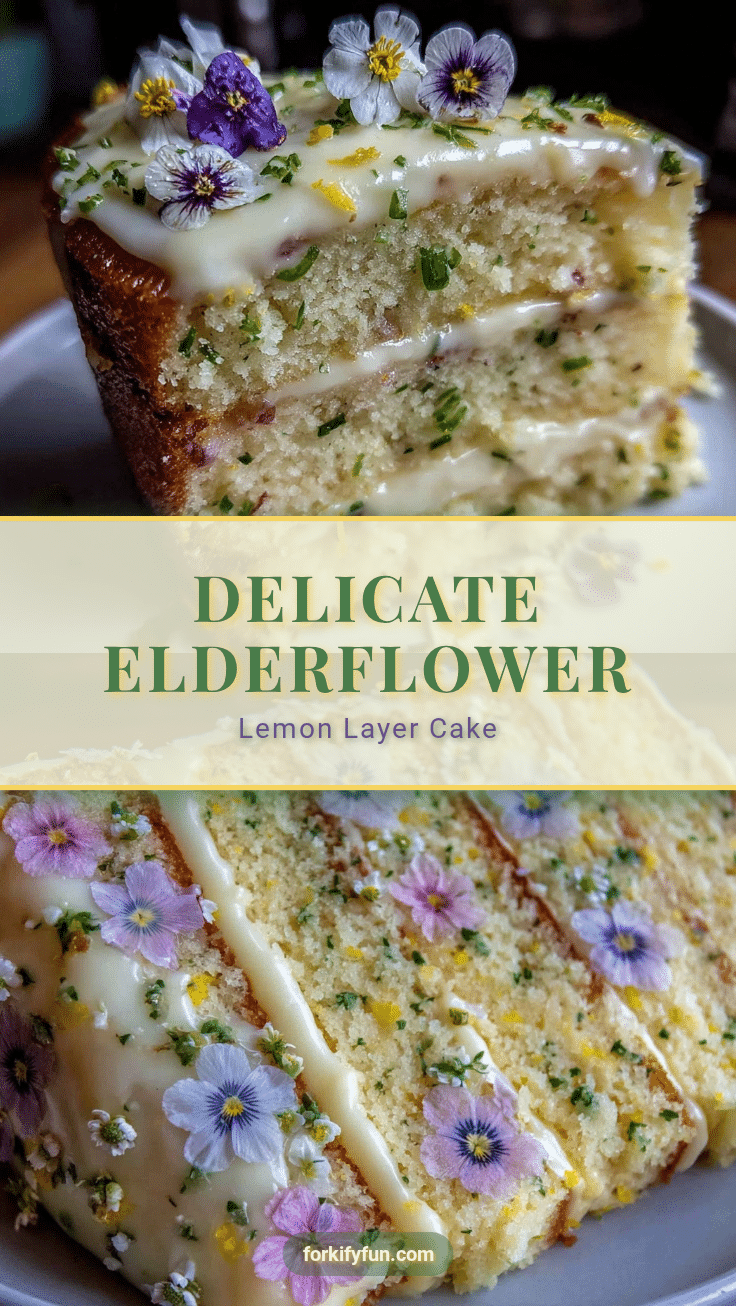
Perfect Elderflower and Lemon Layer Cake
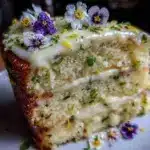
A light, fragrant elderflower and lemon layer cake with a delicate pressed flower decoration, perfect for special occasions or everyday treats.
- Prep Time: 30 minutes
- Cook Time: 30 minutes
- Total Time: 1 hour
- Yield: 12 servings 1x
- Category: Dessert
- Cuisine: British
Ingredients
- 2 cups (250g) all-purpose flour
- 2 tsp baking powder
- 1/4 tsp salt
- 1/2 cup (113g) unsalted butter, softened
- 1 cup (200g) granulated sugar
- 3 large eggs, room temperature
- 1/2 cup (120ml) whole milk, room temperature
- 1/4 cup (60ml) elderflower cordial
- Zest of 2 lemons
- 2 tbsp (30ml) fresh lemon juice
- 1/2 cup (113g) unsalted butter, softened (for frosting)
- 2 1/2 cups (320g) powdered sugar, sifted
- 1/2 cup (113g) cream cheese, softened
- 2 tbsp (30ml) elderflower cordial (for frosting)
- 1 tbsp (15ml) fresh lemon juice (for frosting)
- 1 tsp vanilla extract
- Edible flowers (such as pansies, violets, or calendula), pesticide-free and safe to eat
- Wax paper and a heavy book or flower press for pressing flowers
Instructions
- Press the edible flowers at least 24 hours ahead by placing them between sheets of wax paper and pressing inside a heavy book or flower press.
- Preheat oven to 350°F (175°C). Grease and flour two 8-inch round cake pans or line with parchment paper.
- Sift together flour, baking powder, and salt in a bowl; set aside.
- In a large bowl, beat softened butter and granulated sugar until light and fluffy, about 3-4 minutes.
- Beat in eggs one at a time, fully incorporating each before adding the next.
- In a separate cup, mix milk, elderflower cordial, lemon juice, and lemon zest.
- Alternately add dry ingredients and liquid mixture to the butter mixture, starting and ending with dry ingredients. Stir gently after each addition until smooth and thick.
- Divide batter evenly between prepared pans and smooth tops.
- Bake for 25-30 minutes or until a toothpick inserted in the center comes out clean. Begin checking at 20 minutes to avoid overbaking.
- Cool cakes in pans for 10 minutes, then turn out onto cooling racks and cool completely.
- For frosting, beat softened butter and cream cheese until smooth.
- Gradually add sifted powdered sugar, then mix in elderflower cordial, lemon juice, and vanilla extract until fluffy. Adjust flavors if needed.
- Place one cake layer on serving plate and spread one-third of frosting evenly on top.
- Add second layer and cover top and sides with remaining frosting. Smooth with an offset spatula.
- Gently arrange pressed flowers on the cake surface using tweezers to avoid damage.
- Refrigerate cake for at least 30 minutes to set frosting and help flowers adhere.
- Bring cake to room temperature before slicing and serving.
Notes
Press flowers at least 24 hours ahead. Use room temperature ingredients for best results. Avoid overmixing batter after adding flour to keep cake tender. If frosting is too soft, chill before spreading; if too stiff, add a splash of milk. Handle pressed flowers gently with tweezers. For dairy-free or gluten-free versions, substitute ingredients accordingly.
Nutrition
- Serving Size: 1 slice (1/12th of c
- Calories: 350
- Sugar: 30
- Sodium: 150
- Fat: 15
- Saturated Fat: 9
- Carbohydrates: 45
- Fiber: 1
- Protein: 4
Keywords: elderflower cake, lemon cake, layer cake, pressed flower decoration, floral cake, easy cake recipe, homemade cake