I wasn’t expecting cooking advice from a retired librarian named Frank, but there I was, elbow-deep in a dusty stack of vinyl records at a flea market, listening to him describe exactly how to make a maple Dijon glaze for salmon. It was a gray Saturday morning, the kind that makes you want to stay in pajamas, and I was hunting for a cheap copy of Rumours by Fleetwood Mac. Frank, who had the kind of beard that looked like it stored decades of secrets, was pricing a box of scratched 45s. He glanced at my cart—which held a sad-looking lamp and a bag of kettle corn—and said, “You look like someone who needs a good dinner.” Honestly, I thought he was about to recommend a diner. Instead, he launched into a story about a salmon recipe his wife used to make on rainy nights. He pulled a crumpled index card from his flannel shirt pocket, the ink smudged from what I guessed was butter and time. “Maple syrup and mustard,” he said, tapping the card. “Sounds weird, but it fixes everything.” I scribbled the details on a napkin, bought the record (which skipped on “Dreams”), and made the salmon that night. Let me tell you—it was the kind of meal that makes you forget the world outside. The glaze turned glossy and dark in the oven, the salmon flaking apart like it knew exactly what it was doing. I’ve tweaked Frank’s original a bit over the years—added a splash of apple cider vinegar, swapped in whole-grain mustard—but the soul of it is still his. That first bite, with the sweet and tangy sauce coating the tender fish, felt like a hug from an unexpected place. Maybe you’ve been there: a recipe that comes from nowhere and becomes your go-to for comfort. This is that recipe. It’s warm, it’s quick, and it’s the reason I still stop by flea markets on weekends.
Why You’ll Love This Recipe
This Maple Dijon Glazed Salmon isn’t just another fish recipe—it’s the one that makes you look forward to cooking on a Tuesday night. I’ve tested this glaze more times than I can count, tweaking the balance of sweet and tangy until it was just right. The result is a dish that feels fancy enough for company but simple enough for a solo dinner when you’re tired and hungry.
- Quick & Easy: From start to table in just 20 minutes, including prep. Perfect for those evenings when you want something satisfying without the fuss.
- Simple Ingredients: You probably have maple syrup, mustard, and a few pantry staples right now. No fancy grocery trips required.
- Perfect for a Cozy Night: The warm, glossy glaze and tender salmon make this ideal for cold weather, a rough day, or any time you need a little comfort on a plate.
- Crowd-Pleaser: I’ve served this to picky kids and skeptical adults, and everyone goes back for seconds. The sweetness of the maple hooks them, and the mustard keeps it interesting.
- Unbelievably Delicious: The glaze caramelizes in the oven, creating a sticky, flavorful crust that locks in moisture. It’s comfort food that happens to be good for you.
What makes this different from other salmon recipes? It’s the technique—letting the glaze reduce slightly before brushing it on, so every bite has that concentrated sweet-tangy punch. Plus, the combination of maple syrup and Dijon mustard isn’t just tasty; it’s a flavor pairing that feels both familiar and surprising. This isn’t just another version of glazed salmon—it’s my best version, tested until it was foolproof.
What Ingredients You Will Need
This recipe relies on a handful of ingredients that work together to create something special. Most are pantry staples, and the ones that aren’t are easy to find at any grocery store.
- Salmon Fillets (4 fillets, about 6 oz each): Look for fillets that are roughly the same thickness so they cook evenly. I prefer wild-caught salmon for its firmer texture and richer flavor, but farmed salmon works beautifully too. If the skin is on, that’s fine—it helps hold the fish together and gets crispy under the broiler.
- Pure Maple Syrup (¼ cup): Please use real maple syrup, not pancake syrup. The flavor is deeper and less cloying. Grade A dark amber is my go-to for its robust taste that stands up to the mustard. (Adds richness and natural sweetness.)
- Dijon Mustard (2 tablespoons): Smooth Dijon gives the glaze a gentle heat and creamy texture. I recommend Maille or Grey Poupon for consistent quality. Whole-grain mustard can be used for a chunkier texture, but it changes the glaze’s smoothness.
- Apple Cider Vinegar (1 tablespoon): This brightens the glaze and cuts through the richness of the salmon. (Use white wine vinegar or lemon juice if needed.)
- Olive Oil (1 tablespoon): Helps the glaze coat the salmon and prevents sticking. Avocado oil is a good substitute.
- Garlic (2 cloves, minced): Fresh garlic adds a savory note that balances the sweetness. Don’t skip it—it makes the glaze more complex.
- Salt and Black Pepper (to taste): Simple seasonings that let the glaze shine.
- Optional Garnishes: Fresh dill, chopped parsley, or a sprinkle of red pepper flakes for a little heat.
For the best results, bring the salmon to room temperature for 10 minutes before cooking. This helps it cook more evenly. If you’re using frozen salmon, thaw it overnight in the refrigerator for the best texture.
Equipment Needed
You don’t need a lot of fancy tools for this recipe, which is one of the reasons I make it so often.
- Baking Sheet or Ovenproof Skillet: A rimmed baking sheet lined with parchment paper or foil makes cleanup a breeze. An ovenproof skillet (like cast iron) works great too—it helps the glaze caramelize faster.
- Small Bowl: For mixing the glaze. Any small bowl will do.
- Whisk or Fork: To combine the glaze ingredients until smooth.
- Pastry Brush: For brushing the glaze onto the salmon. A silicone brush is easiest to clean, but a regular one works fine.
- Instant-Read Thermometer (optional but helpful): Salmon is perfectly cooked at 125°F to 130°F for medium. If you don’t have one, look for the fish to flake easily with a fork.
- Aluminum Foil or Parchment Paper: For lining the baking sheet. This makes cleanup almost effortless.
If you don’t have a pastry brush, you can use a spoon to drizzle the glaze over the salmon. It won’t be as even, but it still tastes great. A cheap baking sheet from the dollar store works fine—just don’t use one that’s too thin or the salmon might cook unevenly.
Preparation Method
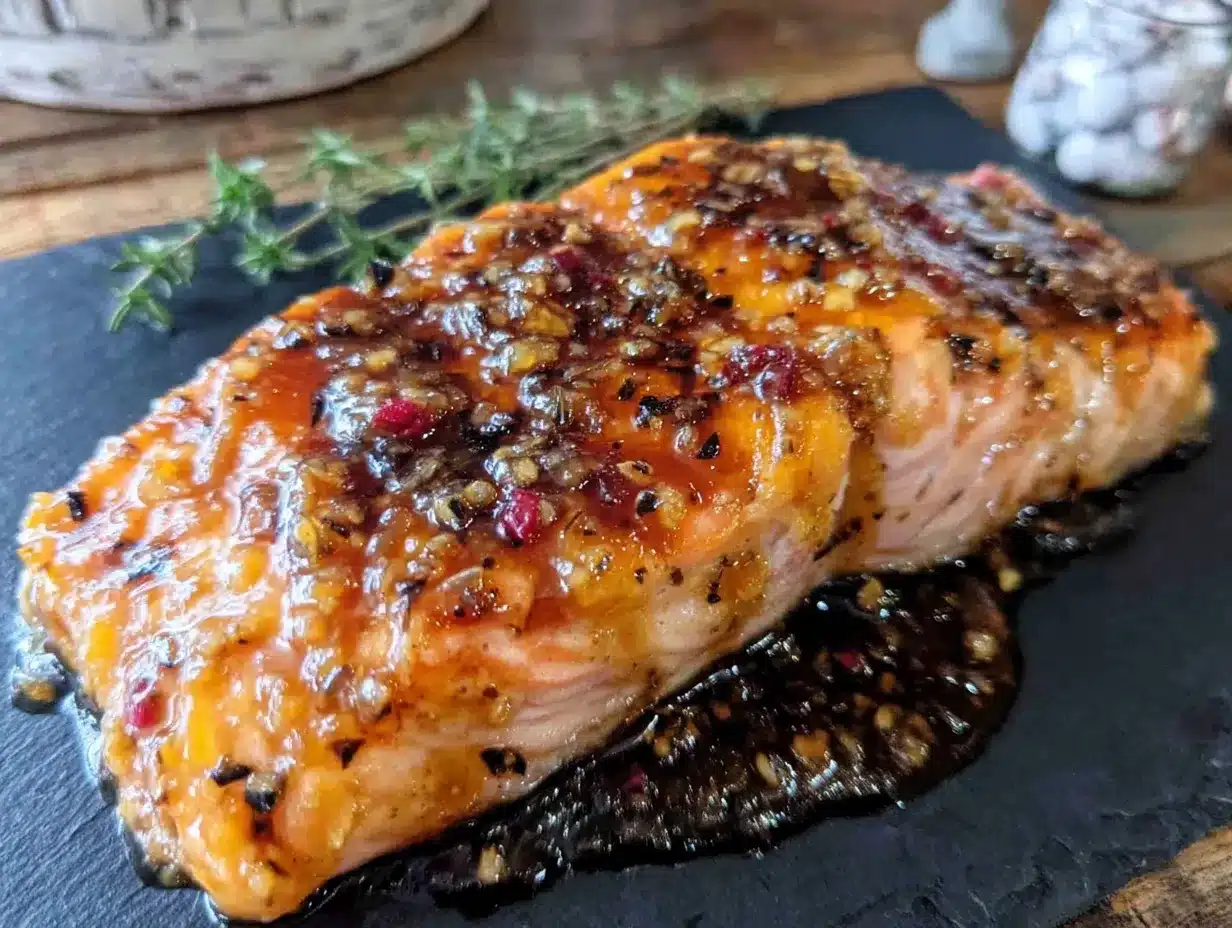
Let’s get cooking. This whole process takes about 20 minutes, so preheat your oven to 400°F (200°C) first.
- Preheat and Prep: Preheat your oven to 400°F (200°C). Line a baking sheet with parchment paper or foil for easy cleanup. Place the salmon fillets on the sheet, skin-side down if they have skin. Pat them dry with a paper towel—this helps the glaze stick better.
- Make the Glaze: In a small bowl, whisk together the maple syrup, Dijon mustard, apple cider vinegar, olive oil, and minced garlic. Season with a pinch of salt and a few grinds of black pepper. Taste it—it should be sweet, tangy, and slightly sharp from the mustard. If it’s too sweet for your liking, add a splash more vinegar.
- Season the Salmon: Lightly season the salmon fillets with salt and pepper. Don’t go overboard—the glaze has plenty of flavor.
- Glaze the Salmon: Brush a generous layer of the glaze over each fillet, covering the tops and sides. Reserve about half of the glaze for later. Let the salmon sit for 5 minutes so the flavors start to soak in.
- Bake the Salmon: Place the baking sheet in the preheated oven. Bake for 10 to 12 minutes, depending on the thickness of your fillets. The salmon should be opaque and flake easily with a fork. If you’re using a thermometer, aim for 125°F to 130°F (52°C to 54°C) for medium.
- Add the Final Glaze: During the last 2 minutes of baking, brush the reserved glaze over the salmon. This creates a beautiful, sticky finish. If you want extra caramelization, switch the oven to broil for the final minute—watch it closely so it doesn’t burn.
- Rest and Serve: Remove the salmon from the oven and let it rest for 2 minutes. This allows the juices to redistribute. Garnish with fresh dill or parsley if you like, and serve immediately.
If your salmon is thicker than 1 inch, add an extra minute or two of baking time. Thinner fillets might need a minute less. The key is to not overcook—salmon continues to cook slightly after it comes out of the oven.
Cooking Tips & Techniques
I’ve made this Maple Dijon Glazed Salmon more times than I can count, and I’ve learned a few things along the way. Here are my best tips for getting it right every time.
- Don’t Overcook the Salmon: Salmon goes from perfectly flaky to dry and chalky in about 60 seconds. I learned this the hard way when I got distracted by a phone call. Use a thermometer if you have one, or check for doneness early. The fish should be just opaque in the center.
- Let the Glaze Reduce: If you want a thicker, stickier glaze, you can simmer the leftover glaze in a small saucepan for 2 to 3 minutes before brushing it on at the end. This concentrates the flavor and gives the salmon a gorgeous sheen.
- Room Temperature Matters: Cold salmon straight from the fridge cooks unevenly. Let it sit on the counter for 10 to 15 minutes before glazing. This small step makes a big difference.
- Use a Hot Oven: 400°F is the sweet spot for this recipe. It’s hot enough to caramelize the glaze without drying out the fish. If your oven runs cool, check the salmon a minute or two early.
- Line Your Pan: The glaze can get sticky and burn onto the baking sheet. Parchment paper or foil makes cleanup a breeze. I learned this after spending 10 minutes scrubbing a pan one night.
- Double the Glaze: If you’re serving more than four people, double the glaze recipe. It’s that good, and you’ll want extra for drizzling over rice or vegetables.
Common Mistakes to Avoid
- Skipping the Rest Time: Letting the salmon rest for 2 minutes after baking keeps it moist. Cutting into it immediately lets the juices run out.
- Using Too Much Glaze at Once: Brushing on all the glaze at the beginning can make the salmon soggy. Reserve half for the final brush to get that sticky, caramelized finish.
- Forgetting to Pat Dry: Wet salmon won’t hold the glaze well. Pat it dry with paper towels before seasoning.
Variations & Adaptations
This recipe is wonderfully flexible. Here are a few ways I’ve adapted it over the years.
- Spicy Maple Dijon Salmon: Add ½ teaspoon of red pepper flakes or a dash of cayenne to the glaze. The heat pairs beautifully with the sweet maple. I made this for a friend who loves spicy food, and she asked for the recipe on the spot.
- Herb-Crusted Version: After brushing on the glaze, press a mixture of fresh dill, parsley, and chives onto the top of the salmon. The herbs add freshness and color. This variation is perfect for spring.
- Air Fryer Adaptation: Cook the glazed salmon in an air fryer at 375°F (190°C) for 8 to 10 minutes. The glaze gets extra sticky and the edges turn crispy. No need to flip the fillets.
- Low-Carb Option: The maple syrup adds carbs, but you can substitute it with a sugar-free maple syrup alternative or a monk fruit sweetener. The texture will be slightly different, but the flavor is still great.
- Garlic-Lemon Twist: Add the zest of one lemon to the glaze and replace the apple cider vinegar with lemon juice. This brightens the dish and makes it feel lighter—ideal for summer.
I’ve also tried this glaze on chicken thighs and tofu—both worked surprisingly well. The glaze is versatile enough to use on any protein you like.
Serving & Storage Suggestions
This salmon is best served warm, straight from the oven, but it’s also delicious at room temperature. Here’s how to make the most of it.
- Serving Temperature: Serve the salmon warm, with the glaze still glossy. Let it rest for 2 minutes after baking to allow the juices to settle.
- What to Serve With It: I love this salmon with a side of roasted asparagus or green beans. The slight bitterness of the greens balances the sweet glaze. A simple rice pilaf or quinoa also works well to soak up any extra sauce. For a cozy meal, pair it with mashed potatoes and a side salad.
- Beverage Pairing: A crisp white wine like Sauvignon Blanc or a light Pinot Noir complements the sweetness of the glaze. For a non-alcoholic option, try sparkling water with a slice of lemon.
- Storing Leftovers: Store leftover salmon in an airtight container in the refrigerator for up to 3 days. The glaze will soften, but the flavor remains delicious.
- Reheating Tips: Reheat the salmon gently to avoid drying it out. Place it in a 300°F (150°C) oven for 5 to 7 minutes, or microwave it on low power in 30-second bursts. You can also flake the cold salmon over a salad for a quick lunch.
- Freezing: Cooked salmon can be frozen for up to 2 months. Wrap each fillet tightly in plastic wrap and place them in a freezer bag. Thaw overnight in the refrigerator before reheating.
The flavors actually mellow and meld after a day in the fridge, so leftovers are still a treat. I’ve been known to make extra just for lunch the next day.
Nutritional Information & Benefits
This Maple Dijon Glazed Salmon is not only delicious but also packed with nutrients. Here’s the estimated breakdown per serving (one fillet with glaze).
- Calories: Approximately 380 kcal
- Protein: 35 g
- Fat: 18 g (mostly healthy omega-3s from the salmon)
- Carbohydrates: 18 g (from the maple syrup)
- Fiber: 0 g
- Sugar: 15 g (natural sugars from maple syrup)
- Sodium: 350 mg (varies with salt and mustard)
Health Benefits
- Omega-3 Fatty Acids: Salmon is one of the best sources of omega-3s, which support heart health and brain function.
- High-Quality Protein: Each serving provides a substantial amount of protein, keeping you full and satisfied.
- Antioxidants: Maple syrup contains antioxidants that help fight inflammation.
- Low in Saturated Fat: This dish is heart-friendly, with most of the fat coming from the salmon.
This recipe is naturally gluten-free and dairy-free. If you’re watching your sugar intake, you can reduce the maple syrup to 3 tablespoons without sacrificing too much flavor. I love that this meal feels indulgent but is actually good for you—a win-win in my book.
Conclusion
This Maple Dijon Glazed Salmon is the kind of recipe that becomes a staple—the one you turn to when you need something quick, comforting, and impressive without the stress. The glaze is sweet, tangy, and just a little bit sticky, coating the tender salmon in a way that feels special but takes almost no effort. I still think of Frank at the flea market every time I make it, and I smile. That’s what good food does—it connects us to moments and people, even ones we barely know.
I’d love for you to try this recipe and make it your own. Add a pinch of cayenne if you like heat, or swap in lemon for a brighter flavor. Play with it, and let me know how it turns out. Drop a comment below if you have questions or your own twist on the glaze. And if you share a photo on social media, tag me—I want to see your cozy salmon dinners. Until next time, happy cooking!
Frequently Asked Questions
Can I use frozen salmon for this recipe?
Yes, you can use frozen salmon. Thaw it overnight in the refrigerator for the best texture. Pat it dry thoroughly before glazing to ensure the glaze sticks.
Can I make the glaze ahead of time?
Absolutely. The glaze can be made up to 3 days in advance and stored in an airtight container in the refrigerator. Give it a good stir before using, as the ingredients may separate.
What if I don’t have Dijon mustard?
You can substitute whole-grain mustard or yellow mustard. The flavor will be slightly different—whole-grain adds texture, while yellow mustard is milder—but both work well.
How do I know when the salmon is done?
The salmon should be opaque and flake easily with a fork. For precise doneness, use an instant-read thermometer; 125°F to 130°F (52°C to 54°C) is perfect for medium.
Can I grill this salmon instead of baking it?
Yes, grilling works beautifully. Preheat your grill to medium-high heat and oil the grates. Grill the glazed salmon for 4 to 5 minutes per side, brushing with extra glaze during the last minute. Watch it closely to prevent burning.
Pin This Recipe!
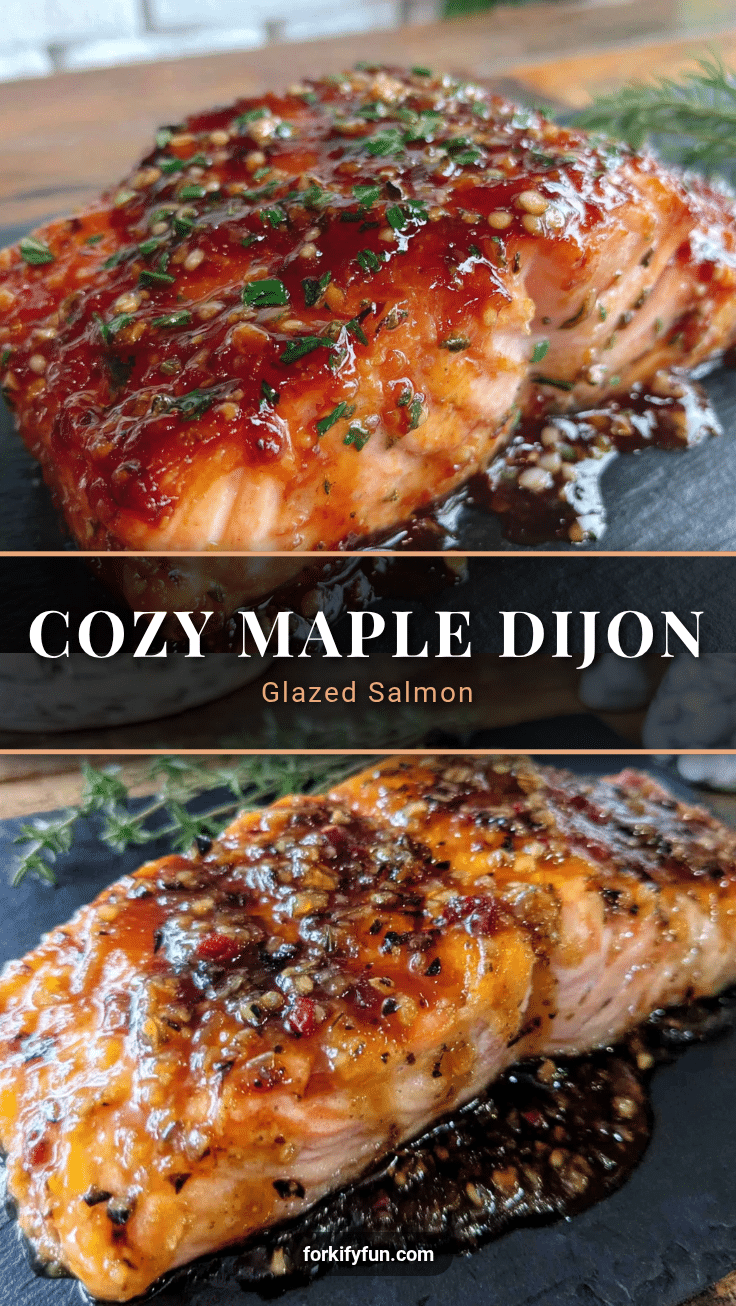
Easy Maple Dijon Glazed Salmon (20-Minute Dinner)
This Maple Dijon Glazed Salmon is a quick and easy 20-minute dinner featuring a sweet and tangy glaze that caramelizes beautifully in the oven. Perfect for busy weeknights, it’s a crowd-pleaser that feels fancy but requires minimal effort.
- Prep Time: 10 minutes
- Cook Time: 12 minutes
- Total Time: 22 minutes
- Yield: 4 servings 1x
- Category: Main Course
- Cuisine: American
Ingredients
- 4 salmon fillets (about 6 oz each)
- ¼ cup pure maple syrup
- 2 tablespoons Dijon mustard
- 1 tablespoon apple cider vinegar
- 1 tablespoon olive oil
- 2 cloves garlic, minced
- Salt and black pepper to taste
- Optional: fresh dill, chopped parsley, or red pepper flakes for garnish
Instructions
- Preheat your oven to 400°F (200°C). Line a baking sheet with parchment paper or foil.
- Place the salmon fillets on the prepared baking sheet, skin-side down if they have skin. Pat them dry with a paper towel.
- In a small bowl, whisk together the maple syrup, Dijon mustard, apple cider vinegar, olive oil, and minced garlic. Season with a pinch of salt and a few grinds of black pepper.
- Lightly season the salmon fillets with salt and pepper.
- Brush a generous layer of the glaze over each fillet, covering the tops and sides. Reserve about half of the glaze for later. Let the salmon sit for 5 minutes.
- Bake the salmon for 10 to 12 minutes, depending on thickness, until opaque and flaky (internal temperature of 125°F to 130°F for medium).
- During the last 2 minutes of baking, brush the reserved glaze over the salmon. For extra caramelization, switch the oven to broil for the final minute, watching closely.
- Remove from the oven and let rest for 2 minutes. Garnish with fresh dill or parsley if desired, and serve immediately.
Notes
For a thicker glaze, simmer the reserved glaze in a small saucepan for 2-3 minutes before brushing on at the end. Let the salmon rest for 2 minutes after baking to keep it moist. If using frozen salmon, thaw overnight in the refrigerator.
Nutrition
- Serving Size: 1 fillet with glaze
- Calories: 380
- Sugar: 15
- Sodium: 350
- Fat: 18
- Saturated Fat: 3
- Carbohydrates: 18
- Protein: 35
Keywords: maple dijon glazed salmon, easy salmon recipe, 20-minute dinner, weeknight dinner, healthy salmon, gluten-free, dairy-free